
Does a solar lease make sense? it?
Is a solar lease worth it?
The price of solar panels can be very high. Although solar panels offer the most investment return but they are not cheap for everyone.
Homeowners can opt for solar leases and solar loans in order to help make switching to solar affordable.
Which solar financing method is best for you? To help you determine how to finance your solar power system, we’ll look at leasing as opposed to. buying solar panels.
What is Solar Leasing?
A solar lease is a type of financial contract where the company that installed your solar panel systems retains ownership and you pay a fixed monthly cost to use it and get any power it produces.
The monthly rental will be payable by the homeowner, and the solar installer will take care of the installation and maintenance. This arrangement usually doesn’t require you to be upfront to pay for residential solar installation. Instead, you’ll only need to pay the monthly rent.
What is a PPA from Solar? PPA?
A Solar Power Purchase Agreement (or PPA) is a financial agreement where you pay a fixed price per Kilowatt-hour (kWh) in exchange to the solar company you have contracted with to generate power from the solar panels you have.
The solar PPA is the same way as a solar lease. The agreement however, provides a fixed cost per unit, which is typically lower than the local utility company. A PPA means that the solar leasing company is fully accountable for all costs associated with installation and maintenance. There is no requirement to pay upfront charges.
What are the main differences between the two? Solar Lease & a Solar PPA?
The fundamental element of both a solar lease as well as PPAs for solar is similar. A contract is signed with a firm to install solar panels in your home’s roof. You get to use the generated solar power in your home while they keep ownership.
The amount you pay to the solar company to get the power you need determines how different a solar lease and a solar PPA will be.
- Solar Lease – The company is charged a monthly fixed fee for the duration of lease. It is irrespective of how much power you use.
- Solar PPA is a contract where you pay a fixed amount for the energy you consume. This rate can change each month.
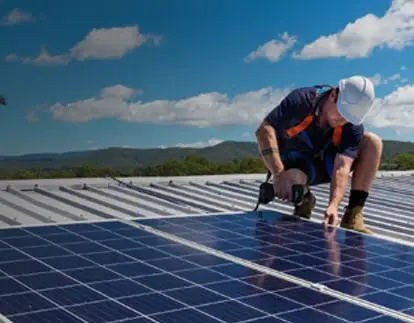
What's the difference between leasing and buying solar panel systems from a company?
There’s a huge difference between leasing and buying a solar system. You own solar panels when you buy them with cash or with a loan.
You don’t need to pay upfront costs for solar panels installed on your roof by using the solar lease agreement (solar PPA) or solar lease arrangement (solar PPA). Instead the solar company will set up and manage the system.
The solar energy generated by your system is renewable, and you can use it all. This lowers your energy bills by using net metering. You pay a monthly rental fee to the solar company to get solar energy.
Is a solar lease right for you?
It’s a personal choice which will determine if you lease, buy solar panels, join a PPA or simply ignore solar. Here are some pros and cons to think about when considering leasing solar panels.
Solar Leasing: Benefits
There are many benefits to solar leasing, including the following:
- There is no need to spend a lot upfront to install solar panels
- When the market is volatile, lock in energy prices in the long-term
- Avoid the hassle of monitoring and maintaining equipment
- Save{ significant|| substantial} savings on utility bills.
- Reduction in carbon footprint of households
Solar leases ensure power production. This means that if the solar panel generates less than expected payment, the amount may be decreased.
Solar Leasing: Advantages and Disadvantages
Although solar leasing isn’t suitable for everybody however, there are some dangers and concerns regarding these contracts.
- The price of leasing rises every year, as utility costs rise and this could result in lower savings on costs.
- You’re not eligible to receive the federal solar tax credit, or any local benefits because you do not possess solar panels.
- Although the upfront cost is not high, the system will likely last for a long time. It’s likely that you’ll end up paying more than you would had you bought the panels in the first place.
- Since they’re in no way part of the property, leasing solar panels will not increase your home’s value.
- If you want to move, breaking your lease can be challenging.
- If you live in a region that does not have net metering, leasing might not be financially viable.
Lease Solar Panels vs. buying Solar Panels
leasing solar panels was an easier alternative to leasing in the past. The cost of solar panels has slowed in the last decade which makes it more affordable and financially viable the option of owning your own solar panel.
Solar leasing is distinct than purchasing solar panels. The difference lies in ownership. You own a solar panel when you purchase it. This means you’ll be accountable for its operation and upkeep. However, if you lease a solar panel from a utility provider it is your responsibility to be the owner of the solar system and will be accountable for its operation and maintenance.
If you are looking for ways to maximise the economic rewards of solar panels and save money in the long run it is the ideal option. Benefits include lower state taxes as well as investment credits, incentives from government (often up to 30%), as well as credits for solar renewable energy. In addition, solar panels can boost the value of a property’s market value.
Although solar leasing is profitable over the duration of the agreement, customers who are able to afford purchasing the system outright will benefit financially. If you are looking to utilize the power generated by solar panels to provide you with a source of renewable energy and energy, then solar leasing is the best choice.
Despite not being capable of owning the panels or receive any tax benefits from them but you can still enjoy the financial benefits of solar energy. If you don’t have the money to buy solar panels outright There are a variety of financing options.
- Solar installer financing: A lot of solar installers partner with lenders to offer low-interest solar financing.
- A PACE loan: Also called the R-PACE loan. Residential Property-Assessed clean Energy loans are an affordable, long-term alternative to finance your solar purchase. Through a tax assessment, this type of loan attaches your tax bill for your home to the price of the solar panels.
- You can obtain a traditional Bank loan to finance solar loans. These loans can be obtained via credit unions or banks. You can also choose to fund your loan using your monthly electricity bill. This will allow you to put a portion from your savings on utility bills to your loan payment.
A Solar-Powered Future: Solar Benefits
There are many reasons to invest in solar panels, whether you’re looking to purchase them upfront or finance your system over the course of a few decades.
Lower Long-Term Savings
Leasing is not as cost-effective than purchasing solar panels. Buying solar panels will provide you with significant savings over the long-term. A typical solar panel generates electricity for more than 25 years. This can reduce your energy usage and lower your energy costs.
Cash payments are the best choice since you can pay for solar panels immediately panels and no recurring monthly charges. Finance requires monthly installments. But, you’ll be able to save money each month and any savings you earn are in your account when the loan is paid off.
It will be at the point when your savings will equal the cost of the panels, regardless of whether you purchase them or take out loans. This is known as the solar payback period. After you have completed the payback period it will be possible to see a greater reduction in your monthly energy costs.
You can save even more money by leasing or signing an PPA. But, you’ll have to pay the solar installer each month for the duration of the lease term. There is no break clause or an end date. A lot of leases and PPAs have an escalator clause that will increase your monthly payments each year over the course of the contract. This is often for a period of 20 years or more.
Selling your house is much easier
You can own the solar panel system you have installed if you purchase it outright. This makes it easier to sell your house and, often even more money with solar panels. This is why most homeowners would rather purchase a solar system over leasing one.
While you are still able to sell your house if have a PPA or solar lease, the agreement{ you have|| you sign} with the company may make it more difficult. It is the solar company that owns the panel in your home , and is part of discussions concerning how ownership transfer will be handled. There are two ways to discuss the terms of your deal.
- You could pay off the remaining lease/PPA and be the owner of the panels in full
- You can convince the owner of your house to assume the lease/PPA agreement
If you decide to lease or pay per annum, you should talk with your solar provider about the details. This will help you make the right choice when you are selling your house.
Tax credits and incentives
You can get tax credits from the federal and state governments when you buy a solar panel system. This will significantly lower the cost for installation. It is also possible to benefit from local incentives, such as net metering programs, which can help you save even further on electricity.
The Federal Solar Tax Credit and other state incentives are offered Solar installers that lease the panels. In order to enroll in net-metering, you must get approval from the company. They own the panels and enjoy the greatest advantages.
The negatives of purchasing solar panels
Maintenance needs
You are accountable for the maintenance and monitoring of your solar panel. To make sure the solar panel system functions properly, you must be aware of it and make repairs if it malfunctions. Palmetto and other companies provide maintenance plans and real-time monitoring to help you with this procedure. This will allow you to save money on your solar costs for maintenance.
Higher up-front investment
It is necessary to have funds in your bank account to purchase solar panels. Even with Federal tax credits, the costs could be expensive.
You can still get loans for solar energy in the event that you don’t have enough cash. To be eligible for a solar loan , you have to be financially stable. However, this isn’t always the situation.
You need more insurance coverage
You might need to raise your property insurance in order to protect your solar energy system. This can lead to more expensive premiums that could add to your budget.
Solar leasing The benefits
There is no initial cost
Leasing solar panels is a better option rather than purchasing the panels. The solar installer will pay the entire installation cost. Once you have agreed to their conditions and terms the installer will put your solar panel system on the roof for little or no cost.
No Tax Liability
Federal solar tax credit cannot be used if you owe federal income tax. Credit can reduce the amount you are liable for.
Leasing solar panels is an option to consider if you don’t have enough income to get an income tax rebate. The solar company can then take advantage of the credit and pass those savings onto you in the form lower monthly installments.
There is no maintenance cost
The solar company retains ownership over the whole solar system once it is installed. They are responsible for the entire maintenance and monitoring cost.
Energy bill: Less and greener
You can cut down on your utility bills through leasing solar. You’ll reduce your utility bills when you use solar energy.
The drawbacks of leasing solar panels
Lower Savings
The leasing of solar panels comes with a major disadvantage. However, you can save money over the long term. You will reduce your monthly energy costs through leasing solar panels. But, the cost of leasing solar panels is usually lower than buying the panels.
Other incentives and tax credits
There aren’t any incentives for tax credit or any other incentives that solar companies receive in exchange for installing solar. Although they could pass on some of the benefits to you in lower monthly costs and tax credits, the majority of it will still be yours.
There isn’t a rise in the value of your home.
Solar installers own the solar panels, so your home doesn’t gain any additional value.
Can Scare Off Potential Home Buyers
If you want to sell your house before the lease expires it is necessary to enter into an agreement.
To make selling your home simpler, you’ll have to buy the lease in full or have the buyer assume the solar panels on lease. Potential buyers may be reluctant to accept the solar panel lease. This makes it difficult to sell your home.
Solar PPA: The Benefits
There is no initial cost
Once you have signed an agreement with your PPA company they will start the installation process with no charges in advance. You can immediately start using renewable energy , and reduce your energy costs.
There is no reason for you to be tax liable
A solar PPA is comparable to a solar lease. It may be a good option if you don’t get value through the solar tax credits offered by federal law as the reduction in tax on income. If you’re retired and have no income or an annuity this may be an option.
Your PPA administrator can earn tax credits, as well as some of the incentive value in order to reduce your monthly payment.
No maintenance cost
Installers are accountable to maintain and repair their solar panels. The installer will monitor and correct any problems to allow you to enjoy solar energy at home.
Energy bills that are lower and more efficient
A solar PPA can assist you in reducing your energy bills. You’ll be paying less for the electricity produced through solar panel. Solar panels generate green energy so you won’t need to use as many fossil fuels from the grid of electricity.
The disadvantages of Solar PPA
Lower Long-Term Savings
For the length of your PPA, you pay per watt of solar power used. Although you may save money over the absence of solar panels however, the savings you earn will be smaller than if you’d were equipped with them. This is particularly true once you’ve finished the solar payback period.
Long-term Contract
The lifespan for solar panel systems is around 25 years. Solar PPAs are able to be extended to the full duration of that period. If you change your plans it could be costly and challenging to end your PPA agreement.
Selling your home is more difficult
The process of selling your home can be a bit complicated and can take longer if you are using an agreement with a solar PPA. You cannot simply sign the contract to sell your house with out including the solar provider into the process of making a decision. If potential buyers are not happy with the conditions and terms of the solar installer they might not take an offer on your house.
There aren’t any credit or tax incentive programs.
Tax credits are generally granted to the solar company. They will keep some of that money, even if they cut your monthly payments to pass some savings on to you.
The financial benefits of solar is among the major reasons people choose to go solar. This can also lower the price of solar energy significantly.
Contact [xfield_company] today If you’re thinking of going solar. Our solar experts will assist you in understanding the options available and guide you through the procedure. Begin by using our Free Solar Design and Estimate tool to figure out the right system size for your needs.
