Solar Panels Insurance Coverage
Solar Panels and Insurance Coverage
Solar panels are an eco-friendly alternative. However the solar panels (also known as photovoltaic or PV systems) can help you save money and boost the value of your home. Before you decide to cover your roofing with solar panels make sure your homeowners insurance will cover them.
We’ll discuss the insurance requirements for your solar panels , as well as the best options to utilize your home’s renewable energy source.
Solar panels
Solar panels have been far too expensive to be viable as sources of energy renewable to common household homes for quite a while. A system for a residential home that costs $50,000 would have seemed not possible ten years ago. It’s a high cost, especially for a purchase that will take time to pay back.
Like everything else technology is evolving and making it more affordable. The cost of buying a house can vary depending on many variables. On average, homeowners could pay between $15,000 and $25,000. Although that’s still a steep cost, more are investing in. In fact 40% of the new US capacity for electricity generation was generated by solar energy in the first quarter 2020.
Photovoltaic systems, or simply “solar panels”, are a great way to reduce reliance on nonrenewable energy sources for both the environment-conscious and the financially savvy.
While they could help you save money in the long-term however, solar panels can cost a lot upfront and are susceptible to damage from weather conditions or other environmental elements. It is vital that homeowners who have solar panels systems are in a position to safeguard their investment.
How much do solar panels cost?
The cost for solar panels will vary depending on which type you choose and where you live. It’s important to shop around before you make an investment. The [xfield_company] believes that solar panels{ will|| can} cost about $13,000, after applying tax credits to solar.
It’s crucial to think about incentives when comparing solar panel prices. They can significantly lower your expenditure. The federal government has recently extended the investment tax credit (ITC) in tax incentives for green energy. You are able to deduct 26% of the cost of installing solar energy systems from federal taxes in 2020 and 22% in 2021. There is no limit on the credit’s value. For more information about tax, see our post on tax and home insurance deductions.
State and local governments offer incentives to the financial sector, including cashback and exemptions from property tax as well as waivers of fees, rebates, and fee waivers. To see which credits you may have the right to claim, look up the Database of State Incentives to Energy and Renewables. You may also be eligible for an loan if the expense is too expensive or you do not want a system.
What are the benefits from solar panel systems?
Solar panels provide many benefits. Solar panels do not just help you save money in the long-term, but also reduce the carbon footprint of your home and permit you to get solar credits from government agencies.
Another benefit to purchasing solar panels would be lessening of dependence on other sources of energy. You can reduce your utility bills due to fluctuations in natural gas, oil and coal prices by utilizing solar power. You can even sell extra energy to the utility company in some places and allow you to earn more than the amount you are conserving.
The most important thing about solar panels is their capacity to increase your home’s value at resales. According to the U.S. Department of Energy Solar energy systems can increase a home’s value by 20 percent for every \$1 saved by utility savings. The expense of installing a solar system is usually offset by the increase in the value of your home. Solar-powered homes typically sell more quickly, which could aid in saving time and cash when the time to make your next move.
It is all dependent on the location you reside in. How long and how much will it take for your solar panels to pay off, as well as the amount you save. Electricity prices can be as cheap as 8 cents per Kilowatt-hour (kWh) in some states. In other states, it can be more expensive than 20 cents. For homeowners living in areas where electricity prices are very high solar panels could be more beneficial. This map will assist you in determining the average price per kWh.
Consider all the improvements you have done to your house, including solar panels, when you are determining how much insurance coverage you need. Your insurance coverage should grow with the worth of your home. Contact the agent at [xfield_company] for more information about the protection of your home’s extras. We’re here to help.
Is homeowners insurance covered for solar panels?
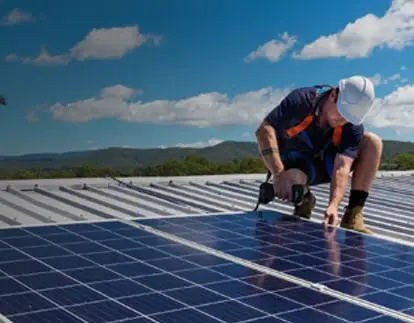
The majority of insurance companies for homeowners consider rooftop-mounted solar panel permanent fixtures for your house. This means that the majority of homeowners policies will cover solar panels, and you don’t need additional insurance to cover solar panels. It is crucial to investigate the options prior to installing solar panels in order to ensure there aren’t any gaps in your protection.
Find out whether your insurance provider covers solar panels, contact them. You can inquire with your insurance company about any limitations or risks that are not covered. This will help you learn about your policy and decide the best method of proceeding.
There are other aspects you should consider before setting up solar panels. Before making an investment in a solar panel system, you need to consider more that are not insurance policies.
Homeowners Association (HOA) rules. The laws that apply to Texas restrict the limitations homeowners associations can place regarding solar panels’ installation. Your HOA cannot forbid you to install them. They can create guidelines regarding their installation. To make sure you’re clear about what is allowed discuss the matter with your HOA/POA prior moving forward on this project.
Local regulations and rules. While some solar panels are installed to power their home, other panels can connect to the grid. This allows homeowners to put excess electricity back into a grid and get credits for the excess. There are regulations that must be adhered to when making any changes or improvements to the power grid. Certain cities, like requires that electricians be certified to set up the equipment.
Do I require separate insurance for solar panels?
It is possible to increase your insurance or in some cases you will need a separate insurance policy to cover your solar panels. You might require additional protection for your solar panel if it is installed in your yard and not in your roof. Carports for solar panels are another{ example of a|| instance of a} freestanding structure that could require a separate rider policy. To determine the best method of proceeding, it is an excellent idea to consult with your insurance agent.
What is the cost for Solar panel coverage?
Rooftop-mounted PV systems are usually considered permanent, so insurance for them is often included in your home insurance. Your total coverage limit will not be affected by the change. You will need to make sure that your coverage will cover your residence and the cost of installing a new solar system in case of serious damage. Solar panel installation is expensive, so it is possible that you will need to add the cost of replacement.
According to the Solar Energy Industries Association, the average cost of a solar panel for residential use is currently $18,000. There are systems that can range upwards of $30,000. Even with these huge cost savings, a solar panel system can still be a significant investment that can affect your insurance rates. You can increase the coverage limits of your affordable cost.
What should I insure for a leased solar system?
Another option is available for those who are looking to install solar panels but don’t have the finances. Lease options are offered by several companies that permit customers to buy a solar power system for a low or zero upfront cost. You don’t own the system. This means that in many instances, you do not have to care for upkeep or take care of the insurance for the solar energy system. The leasing company that manages the system takes on this responsibility. Although leasing will assist you in saving money on energy, it won’t be as effective as owning a solar power system.
Which states are the most suitable for solar panel installations?
It is no surprise that the states with the highest sunlight are the ones that have the best solar energy. [region], [region] and [region] are all possible locations to harness solar energy. Solar panels are becoming more common in all 50 [xfield_state-abbreviation]. Some of the biggest producers of solar energy are not expected states like [region] or [region].
It is important to note that each state has its own laws in place for incentives and regulations regarding solar energy. The benefits you receive vary dependent on where you live.
The solar panel insurance considerations
Solar panels are designed to be installed in areas which are exposed to the elements. This increases the likelihood that solar panels are damaged, particularly if they are located in areas that are prone to severe weather. Solar energy systems need to be secured just like any other investment that is costly. You may want to consider the possibility of a home insurance policy with lower costs if you are concerned about solar panel insurance’s possible cost.
[xfield_company] will assist you to find the best homeowners policy. It compares rates offered by a variety of top firms and helps narrow down your search.
Contact [xfield_company] to discuss how you can get Solar Panels insurance coverage
Going solar is one the most sustainable option you can make to protect the planet. If your homeowner’s insurance does not include solar panels, you may want to consider adding protection.
[xfield_company] can help with the purchase and installation of solar energy systems. Our solar panel specialists are insured and licensed to ensure your panels are correctly installed at your residence.
