
What are the benefits to solar electricity?
What are the benefits from solar energy?
It’s hard to ignore the significance of solar energy. Solar power can provide you with significant returns on your investment, and not just for financial benefits, but also to improve the sustainability of our environment and public health. As people discover the many advantages of solar energy, and cost of installation drop, solar energy is becoming more popular with people who own businesses and homes. There are numerous reasons why solar energy is an ideal option if you are curious about the importance of it.
Its Evolution of Solar Energy
In the last 20 years, usage of solar power has increased in a steady manner. More people are becoming aware of the immense advantages of solar panels. The demand for solar panels has risen from 0.34 gigawatts up to 97.2 by 2008; enough to power 18 million homes. This increase in demand has contributed to lower costs. The cost of solar panels have dropped nearly 70% since 2014. According to the US Department of Energy, seven percent or more of American homes will have rooftop solar PV systems by 2030.
What exactly is solar energy?
Sunlight is the source that gives rise the solar power. The sun is the source of power for our planet. It supplies the energy needed to sustain our environment and grow our population, irrespective of whether you are aware of it or not. The sun’s energy is sufficient to meet our entire needs. It is estimated that the US Department of Energy estimates that 173,000 terawatts of sun energy hit the earth every second, which is more than 10,000 times more than the total worldwide energy consumption. The sun can be used to produce electricity that is free, renewable, and safe. Solar energy can be used to provide heat, light, and other electricity-dependent needs in homes and buildings.
Solar Panel System Benefits
Solar energy comes with many advantages. It can reduce your electric cost, boost your home’s value, cut your carbon footprint, fight rising electricity prices, and return money on your investment. However, solar energy does have some drawbacks. It isn’t a perfect fit for all roofs and can cost a lot to set up.
Installing a solar system on your business or home will provide you with many advantages. These are the top advantages of solar energy that you must be aware of.
- Solar reduces/eliminates electric bills
- Solar panels can increase you the price of your house
- Going solar lowers your carbon footprint
- Solar panels can help you cut down on quickly rising energy costs.
- Solar investment can yield you money.
- Solar energy is versatile
- You can also sell solar energy on the grid
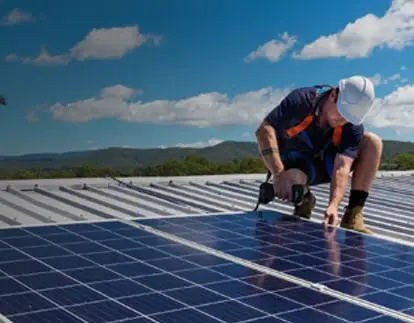
1. Solar energy can dramatically reduce or even eliminate your electric bill
The most significant benefit of solar panels lies in the fact that they allow you to generate the electricity yourself and be less dependent on your electric utility. This will allow you to lower your monthly electric bill. Solar panels have a lifespan of between 25 to 35 years. This means that you can cut down on the cost of electricity for years. The cost of solar panels has decreased by 70% over the past decade. However, the cost of electricity has risen by approximately five percent and this trend of increasing electric prices is likely to persist. Solar power can help you limit the rise in costs. This calculator can provide you with a customized estimate of your future energy savings. It also shows projected up-front expenses and 20-year savings from photovoltaic with custom projections.
2. Solar energy can increase the value of your home
The majority of homeowners in [location] are interested in solar panels but aren’t equipped with the time or know-how to install them. Recent studies have shown that solar panels can boost the value of a property. This is a reality for consumers. The other advantage of solar panels is that they can be utilized to offset the disadvantages that we have mentioned previously. Even if you don’t plan to move in the near future your investment into solar panels could be repaid when you sell your house.
3. Solar reduces carbon emissions
Solar energy is a renewableand green source of energy that could help reduce greenhouse gas emissions, such as carbon dioxide. It also aids in reducing the impact that we make on the natural world. Solar energy is not like other fossil fuels like oil and coal. It is not directly responsible for pollution (such as carbon dioxide) to release into the atmosphere or the water supply. Solar energy is better to protect the environment than nuclear energy.
5. Solar can earn you money as you pay back your investment
Solar panels can generate bill savings and make a profit thanks to the many great solar incentives available in the [xfield_state-abbreviation]. Net metering, as well as SRECs, or solar renewable energy credits (SRECs) are two of the key benefits that solar panels offer. These allow you to make credit on your bill or even earn cash as your solar panels produce electricity. This is the scenario where you are paid for the electricity generated by the solar panels. These incentives are offered for certain areas. You can anticipate both immediate and long-term gains from the solar investment.
6. The most flexible form of alternative energy is solar.
Solar energy is able to be utilized in virtually any environment, unlike other types of alternative energy such as wind energy that needs large open spaces as well as large wind shifts. Solar energy can be a flexible alternative to renewable energy. Even though solar panels produce less power in cloudy weather and in places that don’t get as much sunlight, they can still be effective. Solar power is a good investment regardless of the location you reside in.
7. You can sell solar power back to the grid
You may be eligible to receive net billing based on your location. Net metering, an electrical billing tool, stores excess power generated by your solar panels. Net metering is a way to credit you for the energy the solar panels generate however, you don’t actually use it. It could be possible to get credit on your bill for any energy you don’t use and, in effect, sell your solar power back into the electricity grid.
Who benefits from solar energy?
Solar power systems produce pure, pure electricity from sunlight. They can also be put in at your residence to cut down the greenhouse gases that are released. Traditional electricity is generated from fossil fuels, such as natural gas and coal. To produce electric power, fossil fuels emit toxic gasses that are the primary reason for global warming as well as air pollution. Fossil fuels are not only detrimental to the environment, but are they are also a finite resource. This is why the price fluctuates and is prone to increase quickly.
Public health can also be improved with renewable energy. Coal and natural gas power plants produce polluting air and water that is harmful to the environment. However, replacing fossil fuels by renewable energy sources such as solar power can reduce premature death and overall healthcare costs.
While fossil fuels use a lot of water resources, and could cause water pollution, solar power requires very less or none of water to operate. Solar power doesn’t harm water resources and it does not strain the world’s water supply.
Even during severe heat waves or droughts solar power can be utilized. Coal, natural gas, and nuclear power all require massive quantities of water to cool. Electricity generation is susceptible to extreme heat waves and droughts like we’ve experienced in recent times. Solar power systems do not require water to produce electricity.
Solar power can also generate jobs in clean energy. The location is a pioneer in the field of clean energy. Innovative and forward-looking companies will continue to take advantage of the ever-changing landscape of energy production and transition to renewable sources.
If you’re planning to build your greenhouse, you might be interested in these LEED credits including sun orientation and passive solar and renewable energy.
How much will you save?
It is possible to estimate the amount of energy savings each year by knowing in advance the amount solar power plants will cost and the amount of energy it will generate.
This calculation is tricky because it is based on the amount you are paying for electricity. Utilities charge residential customers a flat rate for electricity, regardless of the time they use them. Instead of compensating the high cost of electricity production at peak for homeowners solar power systems can be used to offset the electricity price that they pay. This is in line with the cost for electricity generation.
Many [xfield_state-abbreviation] utility companies have implemented pricing systems that allow homeowners to pay different rates throughout the day to reflect the cost of electricity production. This is the reason why there are higher rates in the afternoon, and lower rates during the night. A location with this kind of variable rate could consider installing an array of solar panels that are PV. Solar power would help offset the most costly electricity.
This will depend on how many rate changes are allowed under the plan, as well as the timing of them. Similar pricing strategies are employed by utilities in specific locations. They can be subject to seasonal variations in demand. Solar energy is more expensive if it is able to offer higher rates during summer.
The Tiered Pricing Plans are utilized by some utilities to adjust the cost of electricity based on consumption. This allows the advantages of a solar system to be based on the amount of energy is consumed. In some areas, prices rise dramatically as consumers consume more. Large houses with high energy requirements may be most required of solar panels that can offset high-cost consumption.
It is possible for certain houses to sell solar energy back into the grid in order to earn some money. This is known as net metering in the [location]. Residential consumers use the energy they produce by solar panels to offset their power usage elsewhere. Electric bills for the month are an indicator of the amount of energy consumed. There are various policies and regulations regarding net metering that apply to every region. For more details, homeowners can look up the database. They can also call the local utility.
What is the impact of solar energy on our society?
Community-based solar projects may also be beneficial to society including lower heating costs for those with low incomes individuals, reduced dependency of public utilities as well as a cleaner environment because of less pollution, and also job creation.
