
Could Solar Energy replace Fossil Fuels?
Could Solar Energy replace Fossil Fuels?
Every day the world is changing. Many people are looking for alternative energy sources to lessen the negative impact on fossil fuels. This is because they are becoming more aware of how crucial it is to be aware of the problems.
Many countries are now exploring renewable energy sources like geothermal, solar, wind and tidal energy as the future of their energy resources. We are currently dependent on energy sources which will eventually exhaust.
Fossil fuels are utilized to power homes, offices and public buildings, as also schools, prisons jails, public structures and factories. While these energy sources are reliable and affordable, they emit dangerous CO2 into the air each day.
We are hopeful that renewable energy could eventually eliminate fossil fuels completely, in order to stop the harm done to our planet. While the benefits of renewable energy offer great options to counteract the negative effects of fossil fuels, we must also examine why.
The future is renewable energy, which will replace fossil fuels.
Fossil fuels are among the primary causes of the climate crisis. It is essential to transition to a more sustainable system in order to stop climate changes. It is not just necessary, but also essential for us to be able to satisfy rising energy demands.
Or , we’ll be facing a world without energy. Over a billion people lack electricity access across the globe. It will get even worse if we continue rely heavily on fossil-fuels. We should ensure that wind power is able to replace fossil fuels, and need to develop a long-term approach that is more sustainable and more available.
Are renewable energies better than fossil fuels?
The solar power system is much more eco-friendly than fossil fuels because there are less fossil fuels like gas and coal on the planet’s surface. The fossil fuels are composed of biological material which has been held under pressure for many thousands of years.
This is not something we can quickly recreate. This means that we will soon exhaust fossil fuels. According to estimations, we’ll run out of fossil fuels within 50 to 150 years.
Sources of energy renewables such as solar power, wind energy and geothermal energy rely on consistent and constant resources.
The sun will never stop shining while the winds will always move. Wind farms are constructed after they have been built. They rely on the winds to keep blowing to produce energy. Solar panels can be used to produce energy from the sun for many decades after they are installed.
Fossil fuels on the other side, continue to do irreparable harm to the ozone layer. Although we can’t reverse the damage done, there is a way to stop this damaging process.
Are there alternatives that are feasible to fossil fuels? What can they be used for?
Nuclear energy
Although it is susceptible to the risks it carries Nuclear energy is still an extremely reliable source of energy alternatives. It generates over 55% of the nation’s emissions-free electric power. It is reliable and consistent energy and offsets millions of tons of carbon dioxide every year.
The nuclear power plants run at an almost full power, and they are available 24/7. Nuclear energy has its drawbacks which include expensive operating costs as well as the possibility of a nuclear meltdown. There are also the transportation, storage and disposal of toxic materials by-products.
Hydro power
Hydro power is another feasible alternative for fossil fuels. It is derived using natural energy, such as water flow. This method of harnessing power was among the first, however, it was discarded when fossil fuels. It’s back.
Hydroelectricity is a renewable energy source which can be utilized to manage floods and irrigation methods, is accessible wherever there is water.
Biomass energy
Biomass energy, an alternative to fossil fuels, has less environmental impact than other energy sources.
This is the reason energy crops are produced. The most commonly used biomass materials are animals, wood or even plants. Burning biomass can generate heat (also called thermal conversion) or convert it directly into biofuel or electricity.
This source of energy is cheap and renewable. It also reduces our dependence on fossil fuels. However, it’s not considered to be clean.
Solar power
Solar power uses sunlight’s energy as the source of electricity. This clean energy sources will grow because more solar panels will be efficient in low-lighting.
Wind energy
Another source of clean energy is wind energy. Wind farms and solar power harness wind power and power to generate electricity. This is a reliable source of clean energy in regions with high winds. Wind turbines are not suitable for urban areas so they must be constructed in isolated areas or near the sea.
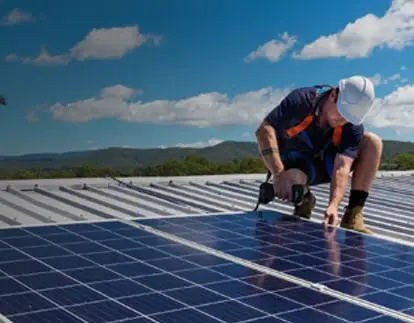
It is possible to make use of solar energy to replace fossil fuels?
It’s difficult to determine which renewable source of power is able to replace any fossil fuel. A mix from renewable power sources could be able to replace these sources.
Since solar power is easily mounted on the roofs of houses and buildings, it’s more accessible to the average person. Solar panels will soon be able generate electricity in dark conditions.
This means that putting solar panels on roofs can be an excellent method to generate more energy and not take up too much space.
Which is the best alternative for fossil fuels?
Solar power is 100% renewable. The initial reduced costs of installation are offset by savings on conventional energy costs. Solar cells regardless of their financial value are susceptible to degrading as time passes.
They require constant conditions of weather to ensure their operation. While tidal energy is an unproven source of renewable energy, it has shown tremendous potential. A recent study revealed that tidal power could provide more than 20% of electrical energy requirements.
It’s unclear if this source of energy is able to be a substitute for fossil fuels. Wind and solar power are another viable option to replace fossil fuels, makes use of an unlimited natural resource, wind.
It doesn’t produce waste and leaves the surrounding area relatively unaffected. Wind energy is also an environmentally responsible investment. A typical wind project will pay off its carbon emissions in just six months and avoids emissions from 42 million cars.
It is more beneficial to utilize all clean energy sources and other energy sources together and grow our dependency on these sources as they become more efficient.
Alternative energy sources to fossil fuels: The pros and the cons
Pros
Living in a cleaner and healthier environment is a more enjoyable way to live. Air quality that is not as good is a significant issue for urban residents. The quality of air can be improved with alternative sources of energy.
We won’t have to worry about oil spillages We will have cleaner water supplies , and global warming will be reduced dramatically.
This creates more jobs locally. Alternative energy sources as well as clean energy are typically produced by the USA. This may lead to the creation of more jobs, particularly in rural regions. Future-proofing our energy supply is feasible.
No matter what your opinion is that global warming is real, it is clear that fossil fuels are going to become less plentiful and more expensive. If this happens, alternatives to energy will be able to provide energy.
Customers will be able to find alternative energy cheaper. The cost of fossil fuels will rise as they are less popular. If we build the infrastructure that we need, alternative energy sources will not be in short supply. This will help drive down costs for energy in the long run.
Worker safety should be improved. Workers working in the fields of gas, oil as well as coal-fired power (which is not an fossil fuel, but is worth noting) are subjected to hazardous working conditions. There are numerous instances where miners were killed in fires, tunnel collapses and explosions or meltdowns in the course of history.
This kind of phenomenon is easy to dismiss as an oddity, but they continue to occur in regions in which fossil fuels are plentiful.
Cons
Our infrastructure was constructed to make use of fossil fuels. This means we have to do a lot more work to make it better. We’ve been relying on fossil fuels for society’s growth and development since the industrial revolution.
If we are living in a world that is well-nourished and has enough energy for everyone, then we have to take drastic steps. Businesses must be able to adjust.
Change is necessary however it’s not always simple. It is difficult to ask whole industries to adapt to something new. While some companies can adjust and thrive, others will not. This could result in less jobs being created as well as a decrease in the amount of jobs.
What's the future of alternative energy and the fossil-fuel industry in 2030?
Energy sources that are renewable and sustainable is likely to be more prominent over the next decade, and will continue to increase in importance in the future. But, it is crucial to realize that initial investments will be required to get these initiatives up and running.
This can cause delays in the process. They are better equipped to handle the rising demand for alternative sources of energy due to the decline in oil prices and natural gas prices.
There is no single sustainable energy option that can replace fossil fuels. It is imperative to have the right mix of viable options that are able to be used in situations that are appropriate and economically feasible.
It takes time to make the transition from fossil fuels into alternative energy sources. There will be setbacks as well as difficulties. It is essential to start the process of transitioning now. It could take up to five decades for it to have a significant difference.
This comes with many costs. Not only from a financial standpoint however, it also will require us to alter our mindset and behavior. It is possible to shift towards more sustainable options when we begin the process fast. It’s time to switch towards renewable sources of energy if are ready to reduce the use of fossil fuels, and also encourage the nation’s investment in infrastructure to generate clean energy.
[xfield_company] is easy to make use of and can be completed in just five minutes to sign up. Once you’ve signed up, you can start using unlimited, clean energy in your residence. Find out how you can switch to renewable energy now.
Are you not sure whether renewable energy is the right option for you? Check out the [xfield_company] page for the latest information on how we’ve helped our customers to make the switch.
