

Why are solar panels good for the environment?
Why are solar panels good for the earth?
As more buildings choosing to have solar panels installed, solar energy is the most popular source of renewable solar energy for both businesses and homes. We also see an increase of solar farms being built which is good news for the world and our environment. It is essential to comprehend the benefits of solar panels to the environment. Additionally, you should be aware of the issues they could cause and how you can solve them.
The Environment Benefits
Since they do not emit emissions and are green solar panels provide numerous benefits for the environment.
- This decreases how much energy you use from the Grid. Solar power is not available at night so those without solar batteries must still connect to National Grid in order to have enough energy to operate the home after darkness falls. It is however decreasing their dependence of their dependence on the National Grid.
- No emissions. Because solar energy is entirely dependent on the sun’s energy and transforms it into hot water or electricity to heat our houses, it doesn’t emit any greenhouse gases or contribute to global warming. Your home can be reduced in its carbon footprint by as high as 80percent in one year.
- It’s renewable. It’s also a kind of energy that is renewable. Since this energy source will never end there will always be enough. The fossil fuels, which are renewable energy sources that could create environmental harm by being mined and distributed in a way that is not sustainable. You can reduce the number of households that rely upon fossil fuels, by only relying upon solar power. This can have a greater impact than you realize.
- They’re durable and require little maintenance. While the process for manufacturing solar panels isn’t ideal (which we’ll discuss in the following section) however, the fact that they last so well and require little maintenance is a great thing. Conventional heating systems must be maintained and replaced regularly. This can result in a lot more waste and raise the demand for new heaters. You shouldn’t have to replace solar panels for more than 50 years.
While solar energy has numerous advantages however, there are many concerns regarding its green credentials. Let’s start by looking at the financial and environmental benefits of solar energy.
Solar Power Lowers Carbon Footprint Emissions
Since it is primarily dependent on sunlight, solar energy has the greatest impact on the environment by decreasing greenhouse gasses. Solar energy is more environmentally friendly than fossil fuels and does not require any additional sources other than water to run.
Solar panels help reduce your dependance on National Grid and your carbon emissions
The solar energy system could dramatically reduce the amount of power that you draw from the national grid. Clean Energy estimates that a home equipped with a photovoltaic power system (PV) can reduce carbon dioxide emissions from greenhouse gases by 1.3-1.6 tonnes annually.
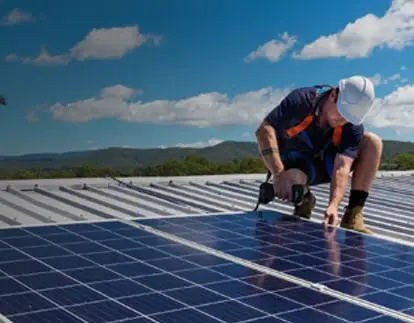
Solar Energy is Sustainable
They will eventually disappear as the world population increases. Solar energy is sole power source, so the solar system’s power source is unlimited.
This reduces the need for scarce resources such as oil, coal or natural gas which contribute to global warming.
Solar panels last for a long time.
While there are numerous areas to improve, solar technology is extremely durable and can last for around 30 years, with minimal maintenance.
Thisis also beneficial to the environmental environment. There is less need to replace or maintain the panels this, which could result in more solar panel debris.
Solar Reduces Water Pollution
As with any other process of manufacturing, making solar panels requires water.
The total water needed for solar energy is much lower than other sources of energy that need water to cool.
The solar energy increases the value of properties
Each kilowatt solar power is added to the property’s general resales price. Homeowners should consider solar energy as a long-term investment.
It is a great way to help reclaim land that is not being used
Solar panels can be installed almost anywhere. It means land that is brown as well as other habitable areas can be used to house solar panels, without impacting wildlife.
Solar provides accessible electricity to off-grid users
If there is sunshine the sun’s energy could generate electricity that is accessible to those living in a distance.
Solar Power Systems are Good for the Economy
There are as many as 16,000 available jobs in the [location] solar energy industry. These jobs are not only abundant, but solar energy is also cheaper than imported energy, which helps keep prices steady.
The Environment's Disadvantages
There are, however, some disadvantages to solar panels for the environment. These are the important things to be aware of so that further study and advancement can be addressed them.
- They can occupy a lot of areas. They can occupy entire fields and are extremely large structures. Because they are installed on the surface, solar farms are unable to be shared with other agriculture pursuits. It is possible to minimize the impact on the environment of solar farms by investing in floating solar panels or brownfield sites.
- Water consumption is quite high. It is utilized in the production of solar PV panels. However, this is not an issue. The focus now shifts to thermal panels. For the cooling systems to function effectively solar thermal plants require large quantities of water. This is because many of the most promising areas for solar efficiency have the most dry climates. It can be challenging to overcome this challenge.
- There are times when it isn’t always safe. Unfortunately, solar panels also create hazardous substances and pollute regions. Monocrystalline solar panels create large amounts of silicon waste and require more energy. Solar cells made of thin films can contain harmful materials that could create environmental damage. However, proper disposal of the material is the responsibility of most manufacturers, and more firms are doing it.
- Although solar power is able to generate electricity or heat, as well as desalinate water worldwide but its expense and inefficiency remain major obstacles to adoption.
- While solar panels systems do eventually pay for their expenses, the technology’s lifespan is often overlooked. It should be recycled however, it’s often not.
- Consider also the energy required for the production of solar panels as well as solar panels production mining. There are many concerns as to whether or not solar energy is actually pure.
What We Can Do to Improve Things
Solar panels can be an effective and cost-effective way to generate energy to power your house. They are also very clean and will greatly reduce the carbon footprint of your home. The idea of investing in solar panels should not be discouraged even though the production method as well as other aspects aren’t yet perfect.
Every solar panel you purchase supports the development of research and results in improvements to the final product. There are many things that can be improved, and they will hopefully improve over time. These are the top aspects that can be improved.
- Efficacy levels are higher throughout the day
- Evening use: More efficient solar batteries
- Additional investment into floating panels to create reservoirs
- For a less harmful emission, a cleaner manufacturing process is needed.
- Alternatives to massive amounts of water that are used in cooling systems.
More research and development could help to make these possibilities. Therefore, continue making investments in solar panel technology and assisting the progress towards more efficient panels. We can get more efficient, stronger, and more effective solar energy with the help of the general public.
What should you be looking for in the best Solar Company
Solar panels are an investment that lasts for a long time. It is therefore essential to examine potential suppliers to pick the most reliable one. What are the best options among the numerous solar companies that are available? This step-by-step guide will assist you pick the right solar provider for your needs.
Step 1: Create a list of available solar companies.
It is the easiest way to evaluate solar providers by creating one page of documents that includes all the pertinent information about each company. You can create an inventory with the aid of the Excel spreadsheet Word documents, or simply a piece of paper with a pen. It is possible to include local and national companies serving the state in which you reside.
Begin by doing an Google search for”xfield_company” followed by your state or city.
Step 2: Examine the advantages and disadvantages of selecting an installer in your area or a national company
It is essential to be aware of the distinctions between local{ businesses|| companies} and national firms when choosing a provider. The larger companies are more established and offer higher warranties. These companies may offer more payment options and maintenance services, such as panel cleaning.
Local companies will be better familiar with your state’s permit as well as rebate regulations. Because they serve fewer customers and are located in smaller areas they can complete the process more quickly, which can enable you to schedule appointments for pricing and installation earlier.
The process doesn’t have an answer that is right or wrong. Just consider whether a small firm or one with a huge size will be a better fit for your requirements. You should note which companies are within each group.
Step 3: Check Company Credentials
The majority of companies are more focused on the experience of their employees than their size. Go through the company’s websites to find out how long they have been in business. Look at the company websites to determine if they have ad campaigns for the amount of solar panels they’ve installed. Also, think about what kinds of roofing the company has utilized successfully in the past.
In your document of comparison Be sure to record the credentials of each firm. Online certifications are standard for the majority of firms. But, it is always possible to phone the company to confirm credentials if they do not list the credentials through their websites. [xfield_company] is certified by the North American Board of Certified Energy Practitioners.The NABCEP is a nationally acknowledged certification program for sales and installation which is referred to for its “gold gold.” Installers who hold an NABCEP’s PV Configuration Professional certification have completed intensive training and have achieved the highest qualifications.
Step 4: Review the reviews.
If a company doesn’t take care of its customers, all the experience and certifications in the world will be meaningless. Going solar can be complicated. It is essential to obtain the right permits, choose the appropriate size of your array and apply for tax credits. It is essential to choose a company that is friendly and willing to assist.
Reviews can be found from customers on sites. Contact the company for references if you are unable to find more than a few. [xfield_company] will give you two to three references on your request.
You can use your document to take note of the impressions that you have based on reviews you have read. This will assist you in remembering the issues you want to address prior to moving ahead.
Step 5: Study the Financing Options for Each Company
There are a variety of methods you can finance solar panel. You can either pay in cash or borrow money (or lease), or enter the power purchase arrangement (PPA). It is essential to study the options provided by every company on your list, and note.
If you know what you want your panels funded, make sure that the company you’re looking at offers this option. It is not necessary to choose which one is the best option for you. There’s no need to fret because [xfield_company] offers multiple financing options , so you are able to discuss your requirements with them.
Step 6: Request a quote
Based on the data you have compiled for each company make your list of five or six top choices. These are the companies you should call for an individual quote.
[xfield_company] will make an appointment to view your property in order to accurately calculate the price. Ask any remaining questions during the meeting, which includes the following.
- Are you competent to manage the permits my city and state require?
- How many panels do I require based on my energy consumption per month?
- Is there a warranty? If so, what is it?
- How would it look should I want to take the next steps in my business relationship?
Did [xfield_company] appear to be the obvious winner following a discussion with them? Great because you have discovered your solar company. Consider the factors which are the most crucial to you like prices, customer reviews and the quality of service. To learn more about the possibilities available to you in your region, you can also use this solar calculator.
