If your EV is pushing your electric bill back up, you are asking the right question: can solar power charge electric car batteries at home in a way that actually saves money? The short answer is yes. The better answer is that it depends on your driving habits, your roof, your utility rates, and whether your system is designed to handle both your home and your vehicle.
For many homeowners, the idea is simple. Put solar on the roof, plug in the car, and drive on sunshine. In practice, the setup can be very effective, but it works best when the solar system, EV charger, and household energy use are planned together. That is where the real savings show up.
Can solar power charge electric car systems really work?
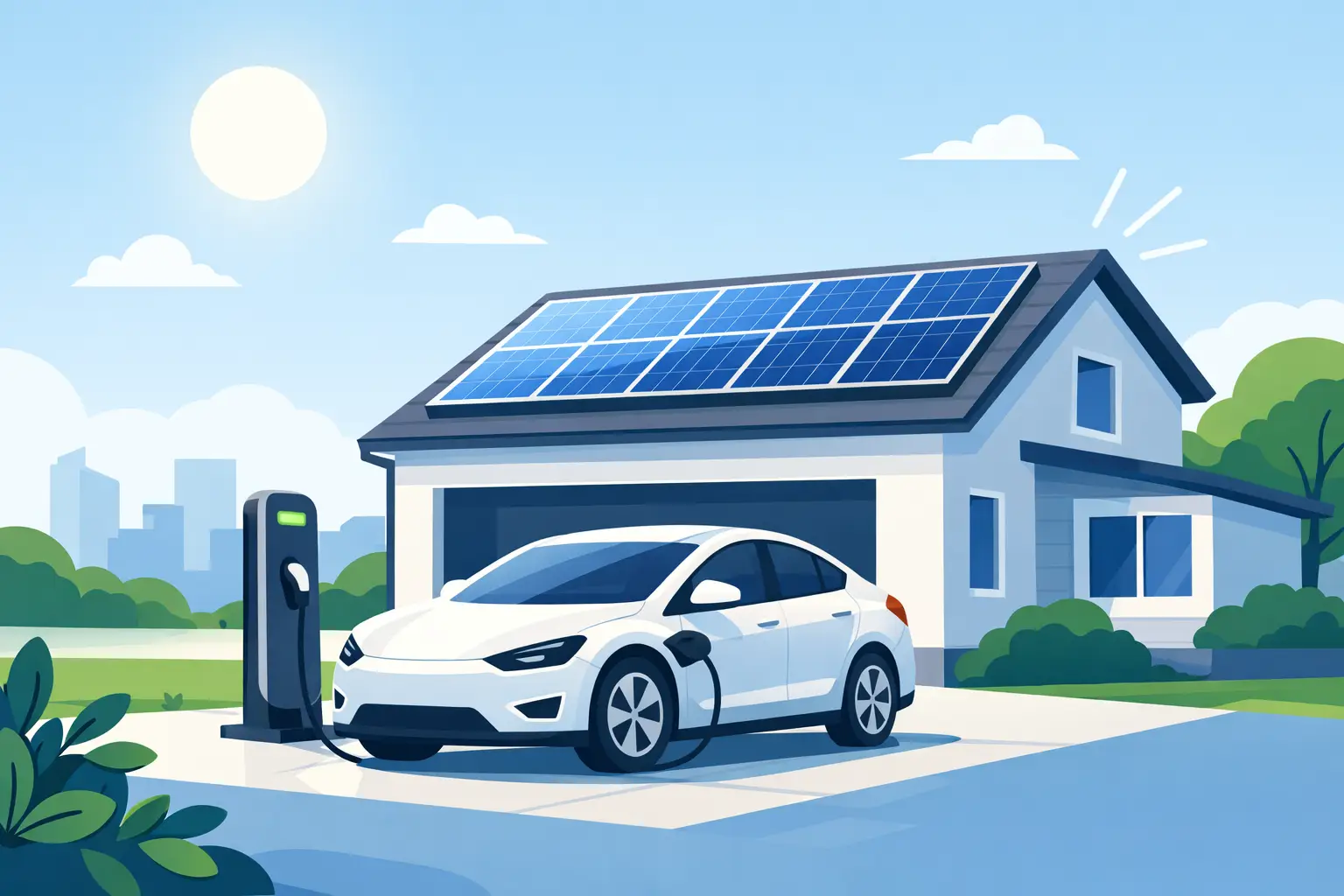
Yes, they can. A home solar system generates electricity during the day, and that power can offset the electricity used to charge your EV. If your panels are producing while your car is charging, some or all of that charging load can be covered directly by solar production. If you charge at night, your solar may still help by sending power to the grid during the day and earning bill credits, depending on your utility’s net metering or billing structure.
That distinction matters. Solar panels do not usually send power straight from the roof to the car in a stand-alone way. In most homes, solar power flows through your home’s electrical system. Your EV charger then pulls from that system just like any other appliance. So when people ask whether solar can charge an electric car, the real question is whether your solar production can offset the electricity your EV uses over time. In many cases, it absolutely can.
What you need to charge an EV with solar
A workable setup starts with three core pieces: a solar panel system, an inverter, and an EV charger. Depending on the home, you may also need a main panel upgrade so the electrical system can safely support added load. Some homeowners add battery storage too, especially if they want backup power or more control over when they use their solar energy.
The EV charger matters more than many people expect. A Level 1 charger can work, but it is slow and not ideal for most daily drivers. A Level 2 charger is the standard choice for faster home charging. It can refill an EV overnight and makes it much easier to match your charging routine with your energy goals.
Your electrical panel also deserves attention. If the panel is older or already close to capacity, adding solar and EV charging may require an upgrade. This is not a deal-breaker. It is simply part of designing the system correctly, so performance and safety are not compromised later.
How many solar panels does it take?
This is where the answer shifts from yes to it depends. The number of solar panels you need to charge an EV depends on how much you drive and how efficient your vehicle is.
A common EV uses around 3 to 4 miles per kilowatt-hour. If you drive 1,000 miles a month, your car may need roughly 250 to 333 kilowatt-hours of electricity monthly. In many parts of the US, one solar panel might produce around 30 to 60 kilowatt-hours per month depending on panel wattage, roof angle, weather, and location. That means an EV alone could require roughly 5 to 11 panels just to cover driving energy.
That is only the car. Most homeowners also want solar to offset the rest of the home’s usage. If your air conditioning, appliances, and EV are all pulling power from the same meter, your solar system should be sized around the full picture, not just the vehicle.
For homeowners in strong solar markets like California, Nevada, Texas, and Hawaii, solar production can be substantial, but utility rules and climate still affect the math. A well-designed system in Los Angeles will perform differently from one in Houston or Honolulu. The right design starts with actual usage data, not rough guesses.
Daytime charging vs nighttime charging
If you work from home or can charge during daylight hours, solar-to-EV charging becomes more direct. Your panels generate electricity while your car is plugged in, which can reduce how much power you pull from the grid at that moment.
If you charge mostly at night, solar can still help. During the day, your system may export excess power to the grid. At night, you draw electricity back when your EV charges. Whether that creates strong savings depends on your utility’s rate structure. Under favorable net metering, the value can be close to a one-to-one offset. Under less favorable export rates, the economics may be weaker.
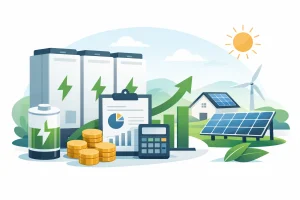
This is one reason battery storage is gaining attention. Instead of sending all excess daytime production to the grid, a battery can store some of it for later use. Then your home or EV charger can use stored energy after sunset. It adds cost, so it is not the right fit for every project, but it can improve control and resilience.
Is battery storage necessary?
No, not for most homeowners. You can absolutely charge an EV with solar without adding a battery. Grid-tied solar systems do this every day by reducing or offsetting the electricity used for transportation.
That said, batteries can make sense if your utility has low export credits, if you want backup power during outages, or if you want to shift more of your own solar production into the evening. They are especially attractive in areas with time-of-use rates, where electricity is more expensive at night or during peak demand periods.
The trade-off is cost. Batteries improve flexibility, but they also increase project price. For some households, that added control is worth it. For others, a properly sized solar system and a smart EV charging schedule deliver plenty of value without storage.
The financial case is usually better than people expect
Fuel savings are where EV owners feel the benefit first. If you replace gas with electricity, and then offset that electricity with solar, your cost per mile can drop significantly. Over time, that can add up to meaningful savings, especially if you drive a lot.
There is also a second layer of value. Many homeowners install solar to lower household electric bills, then later buy an EV and realize they can power transportation from the same system. Others do it in reverse. They buy an EV, see charging costs show up on the utility bill, and decide to add solar so the car does not erase the savings they expected from leaving gas behind.
The strongest financial outcomes usually come from integrated planning. When solar, EV charging, panel capacity, and financing are considered together, the system is more likely to be sized correctly from the start. That avoids underbuilding, costly rework, or a charger install that outpaces what the home can support.
What can limit solar EV charging?
Roof space is one factor. If your roof has heavy shading, limited usable area, or a poor orientation, the system may not produce enough to fully offset both home and vehicle usage. That does not mean solar is off the table. It may simply mean partial offset instead of full offset.
Utility policy is another. The answer to can solar power charge electric car use cheaply is partly a billing question. If your utility offers favorable compensation for exported power, your solar can do more of the heavy lifting. If export rates are low, self-consumption becomes more valuable, and that may change whether battery storage or daytime charging is worth considering.
Driving habits matter too. A homeowner driving 500 miles a month has a very different load than someone commuting long distances every day. The same goes for vehicle size. A compact EV and a large electric SUV do not consume electricity at the same rate.
Why a custom design matters
This is not a one-size-fits-all project. A good installer looks at your historical electricity use, your expected EV charging demand, your roof condition, your electrical panel, and your local utility rules before recommending system size. That is how you get a setup that works on paper and performs in real life.
For homeowners who want one provider to handle solar, battery options, EV charger installation, roofing needs, and electrical upgrades, working with an experienced full-service company often saves time and avoids coordination headaches. LA Solar Group approaches these projects as complete home energy systems, which is usually the smartest way to protect long-term savings.
If you are thinking about an EV or already own one, solar is no longer a nice extra. For many households, it is the upgrade that makes electric driving pay off more consistently. The right system can power your home, offset your charging, and give you more control over every mile you drive.