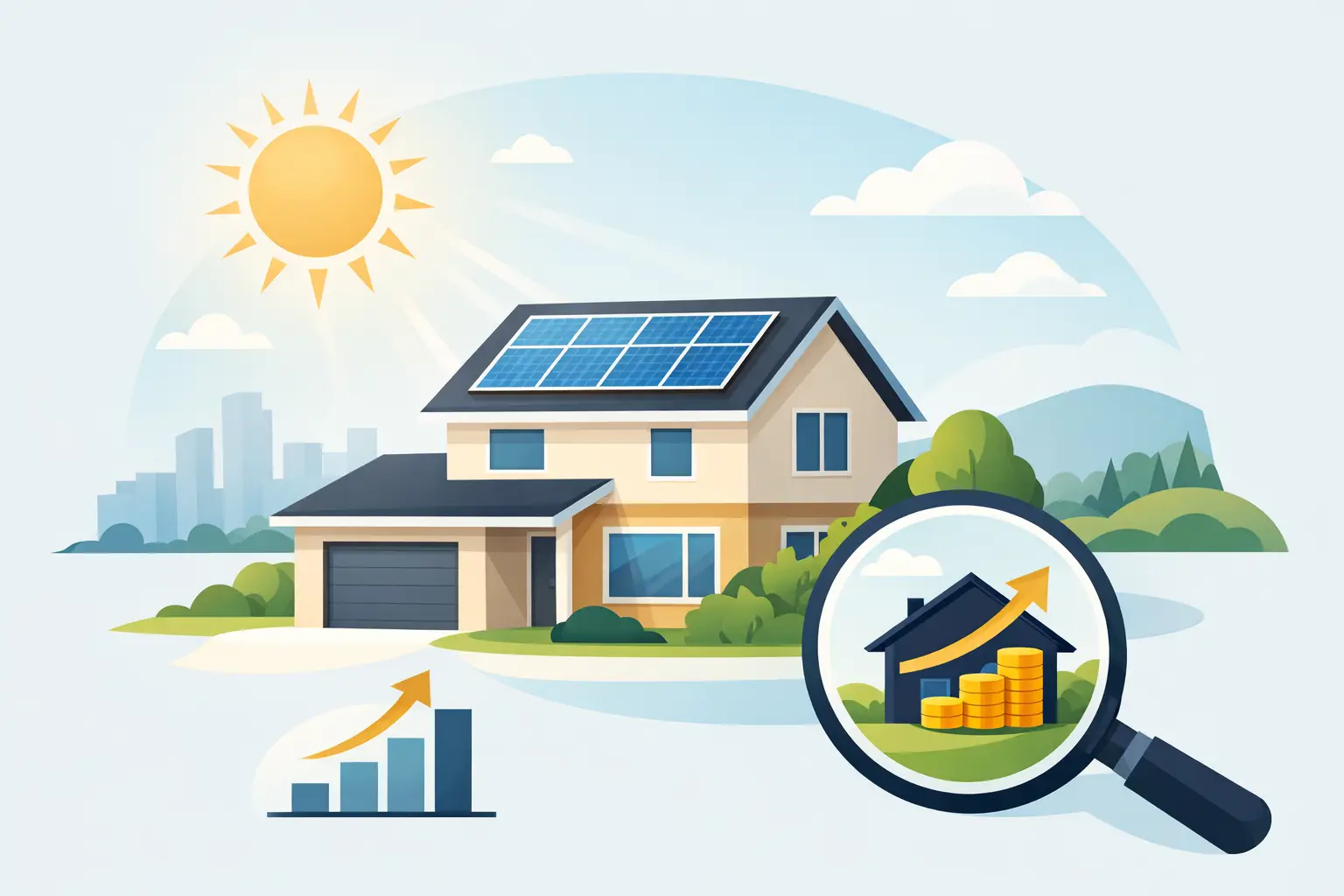
A lower electric bill is great. A home that sells faster and for more is even better. If you are asking, does solar increase home value, the short answer is yes in many cases – but not automatically, and not by the same amount in every market.
That matters because solar is no longer viewed as a niche upgrade in many parts of the US. For a growing share of buyers, especially in high-rate states like California, a well-designed solar system looks less like a luxury feature and more like a practical way to control long-term housing costs. The key is understanding what kind of solar system adds value, what buyers actually care about, and where the numbers can fall short.
Does solar increase home value in real estate markets?
In many markets, owned solar can increase home value because it reduces future utility costs. Buyers are often willing to pay more for a home with lower monthly operating expenses, especially when energy bills are already a pain point. If the system is sized well, installed professionally, and in good condition, solar can make a property more attractive at listing time.
This is the same reason updated HVAC systems, newer roofs, and high-performance windows can support resale value. Buyers are not just purchasing square footage. They are purchasing future cost savings, reliability, and peace of mind. Solar fits that logic well when the economics are clear.
Still, value is not created by panels alone. A buyer will look at the age of the system, the quality of the equipment, whether the panels are owned or leased, the roof condition, local electricity rates, and whether there is battery backup. In other words, solar can help, but the details do the heavy lifting.
Why buyers often pay more for a home with solar
The strongest driver is simple math. When a buyer sees a home that can offset a meaningful share of its electric use, that lowers the expected monthly cost of ownership. In areas with high utility rates, that can be a powerful selling point.
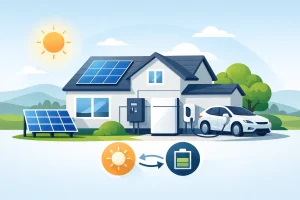
There is also a lifestyle benefit. Many buyers like the idea of more predictable energy costs, cleaner power, and less exposure to rate increases. In outage-prone regions, a system paired with battery storage can be even more compelling because it offers resilience as well as savings.
Modern buyers also respond well to turnkey upgrades. If the solar system is already in place, permitted, and operating properly, they avoid the hassle of researching contractors, financing equipment, and scheduling installation after move-in. A home that already solves those problems tends to stand out.
Owned solar usually adds more value than leased solar
This is one of the biggest distinctions in resale. An owned system is generally easier to market because the buyer receives the benefit of the electricity production without having to assume a separate contract. If the system was financed and the balance is paid off before or at closing, that usually keeps the transaction cleaner.
Leased systems can still be a benefit, but they are more complicated. Some buyers are comfortable taking over a lease if the payment is lower than the utility savings. Others see it as an extra obligation tied to the property. Real estate agents and buyers often prefer simplicity, and ownership tends to deliver that.
Power purchase agreements can create similar friction. If a buyer needs to qualify for a contract transfer, or if the contract terms are not attractive, the solar system may feel less like a premium feature and more like paperwork.
What determines how much value solar adds
There is no universal number because home values are local and buyer expectations vary. A strong solar premium in one neighborhood may be modest in another. Still, a few factors consistently shape the result.
System ownership is first. Paid-off or clearly transferable owned systems usually perform best in resale conversations. Equipment quality is another factor. Buyers and appraisers tend to respond more positively when the system includes reputable panels, inverters, monitoring, and documented installation records.
Age matters too. A newer system with years of expected production ahead of it is easier to position as a value-add than an older system nearing major component replacement. Roof condition matters for the same reason. If the roof is aging and panels may need to be removed for future roof work, buyers may discount the value.
Location may be the biggest factor of all. In states with high electricity rates, abundant sun, and broad market awareness, solar tends to have a stronger story. In areas with lower utility rates or less familiarity with solar, buyers may not assign the same premium even if the system performs well.
Battery storage can strengthen the value story
A battery does not guarantee a higher sale price, but it can increase appeal in the right market. Buyers in areas with outages, wildfire shutoffs, or unstable grids often place real value on backup power. That is especially true when the battery can keep essentials running during an interruption.
For those buyers, energy independence is not abstract. It means refrigerated food stays cold, internet stays on, lights work, and home routines are not thrown off by the grid. When paired with solar, battery storage can make the home feel more future-ready and better protected.
When solar adds less value than homeowners expect
Not every system delivers a resale boost worth bragging about. If the installation is undersized, visibly cluttered, poorly documented, or tied to an unfavorable lease, buyers may not respond the way a seller hopes.
The same is true when the system was installed on a roof that now needs replacement. Buyers may worry about added costs, panel removal, and project coordination. A solar system should reduce friction, not create it.
Another issue is overestimating buyer education. Some homeowners assume buyers will instantly understand production data, net metering benefits, and financing structure. Many do not. If the listing agent cannot explain the value clearly and the paperwork is incomplete, the system can become a missed opportunity.
Appraisal can also lag behind market perception in some areas. Even when buyers want solar, an appraiser may assign limited value if there are few local comps with similar systems. That does not mean solar has no value. It means the resale process may require better documentation and a stronger case.
How to maximize resale value before you sell
If you already have solar, presentation matters. Keep records for permits, warranties, system size, equipment brands, and annual production. If you have monitoring data that shows consistent performance, that is useful. Buyers like proof.
It also helps to address the roof question early. If the roof is newer or was part of the solar project, say so. If battery storage, EV charging, or a smart panel is included, those upgrades should be positioned as part of a complete energy system, not random extras.
If your system is financed, know the payoff amount and your options before listing the home. If it is leased, understand the transfer process and monthly payment details. The easier you make the transaction, the more likely buyers are to see solar as a clear benefit.
And if you are installing solar with resale in mind, quality matters from the start. A professionally designed system with strong equipment, clean installation work, and long-term service support is easier to defend at sale time. That is one reason homeowners often prefer a full-service partner that can handle solar, battery storage, roofing, and post-install support under one roof.
Does solar increase home value enough to justify the investment?
That depends on your timeline. If you are planning to stay in the home for years, solar usually makes the strongest case through monthly bill savings first, with resale value as a second benefit. You enjoy the lower energy costs, and a future buyer may still pay more for the system when you sell.
If you plan to move soon, the equation is less predictable. You may not recover every dollar you spend, especially if the market is unfamiliar with solar or the system structure is complicated. But in the right market, solar can still help your home stand out, support a stronger asking price, and appeal to cost-conscious buyers.
The best approach is to think of solar as both an energy upgrade and a property upgrade. It is not magic, and it is not one-size-fits-all. But when the system is owned, well installed, properly documented, and matched to a buyer-friendly market, the answer to does solar increase home value is often yes – and sometimes more convincingly than homeowners expect.
If you are considering solar now, focus on long-term performance, not just the lowest upfront price. The homes that hold value best are usually the ones with upgrades that work well, look professional, and make life easier from day one.