A power outage in Los Angeles rarely feels like a minor inconvenience anymore. Between wildfire-related shutoffs, heat waves, grid strain, and rising electric rates, more property owners are looking for a Los Angeles backup battery installer that can do more than just mount equipment on a wall. They want a system that actually keeps the right loads running, works with their utility setup, and delivers dependable backup when the grid goes down.
That is where installation quality matters. Backup batteries are not a one-size-fits-all add-on. The right installer should evaluate your home or building, your panel, your daily usage, your outage priorities, and whether solar is already in place or part of the same project. A battery can absolutely improve resilience and energy control, but the payoff depends on proper design as much as the product itself.
What a Los Angeles backup battery installer should actually help you solve
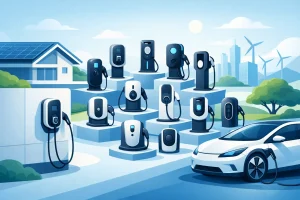
Most customers start with a simple goal: keep the lights on during an outage. In practice, the real question is what you want powered, for how long, and under what conditions. A small battery setup might cover lighting, refrigeration, Wi-Fi, outlets, and a few key circuits. A larger system can support central air, larger appliances, EV charging strategies, or longer backup windows, especially when paired with solar.
A strong installer helps you sort through those trade-offs early. If your main concern is food spoilage and basic comfort during a 6-hour outage, your design will look different from a homeowner trying to ride through multi-day shutoffs with HVAC and home office loads intact. The same goes for businesses. A retail site, office, or multifamily property may need continuity for security systems, networking, refrigeration, or tenant common areas rather than full-building backup.
This is also why the cheapest quote is not always the best value. Some proposals look attractive until you realize they exclude panel upgrades, backup load subpanels, permitting complexity, or post-install support. Others oversell battery capacity that may not match your actual usage pattern. A good installer should be direct about what the system will and will not do.
How battery sizing really works
Battery sizing is one of the most misunderstood parts of the process. People often focus on the battery brand first, but performance starts with load analysis. Your installer should review your historical electricity consumption, identify high-demand appliances, and separate must-run loads from nice-to-have loads.
There are two numbers that matter. The first is energy capacity, which determines how long the battery can supply power. The second is power output, which determines what the battery can run at the same time. A battery may have enough stored energy for several hours, but if too many large loads start at once, output limitations can still matter.
For Los Angeles homes, air conditioning is often the swing factor. If backup power is mainly for evening outages in hot weather, cooling needs can quickly change the size and cost of the system. Pools, electric ovens, dryers, and EV chargers can do the same. Some customers choose partial-home backup to control costs. Others prefer a larger whole-home approach because they do not want to manage loads manually during an outage. Neither option is automatically better. It depends on budget, expectations, and how critical uninterrupted power is for your property.
Solar plus storage usually makes more sense than storage alone
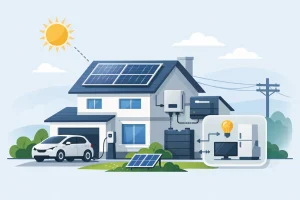
A battery can provide backup without solar, but in many cases the strongest long-term value comes from pairing the two. Solar helps recharge the battery during daylight hours, which can extend backup duration during prolonged outages and offset expensive utility power during normal operation.
In Southern California, that combination also supports better energy cost management. If your rate plan includes time-of-use pricing, a battery can store lower-cost or solar-produced energy and discharge when utility rates are highest. That gives the system a job even when the grid is working normally.
Still, storage-only can make sense in some situations. A customer may already have a solar system that needs a compatible retrofit. A commercial site may want resilience first and solar later. A homeowner may prioritize outage protection now and phase the project over time. The right installer should walk through those options instead of forcing one path.
What to expect from the installation process
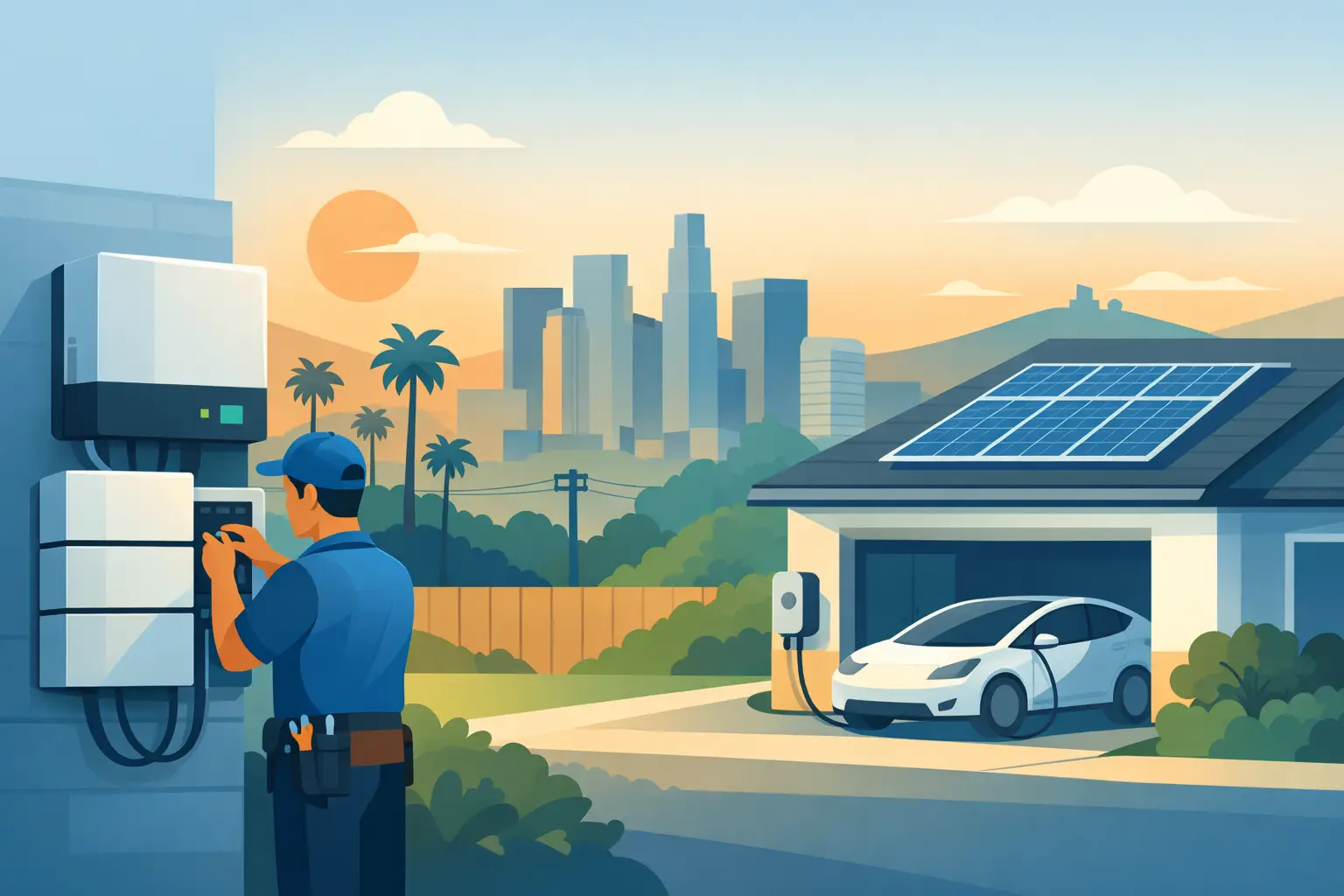
A professional battery project involves more than equipment delivery. It typically starts with a site assessment to review electrical infrastructure, available wall space, ventilation and clearance requirements, existing solar equipment, and whether your main panel is ready for the upgrade.
From there, engineering and permitting begin. In Los Angeles and nearby jurisdictions, permit timelines and utility coordination can affect the project schedule, so local experience helps. Installers who regularly work in the area tend to know the approval process, inspection expectations, and common electrical upgrade issues that can delay the job.
Installation day itself may be relatively fast, but that does not mean the project is simple. Wiring, transfer equipment, communications setup, commissioning, and system testing all matter. So does homeowner education. You should know how your battery behaves during an outage, how to monitor production and storage, and what to expect when the system switches between grid, solar, and backup operation.
Choosing the right Los Angeles backup battery installer
Not every contractor that offers batteries is equally qualified to design and support them. This is a category where experience, product knowledge, and service capacity matter. A proven Los Angeles backup battery installer should be able to explain battery chemistry, inverter compatibility, panel limitations, load prioritization, and monitoring in plain English.
Look for a provider that can handle the full scope under one roof when possible. If your project may involve solar, roofing considerations, panel upgrades, EV charging, or long-term service, having one team manage those moving parts usually leads to fewer delays and fewer finger-pointing problems later.
It also helps to ask practical questions. How many battery systems has the company installed? What brands do they recommend and why? What happens if your panel needs an upgrade? Who handles warranty claims and troubleshooting? Will they model expected backup performance based on your real loads, or are they using a generic template?
A serious company should welcome those questions. Confidence is good. Clarity is better.
Cost, incentives, and the real value equation
Battery pricing varies widely because the system scope varies widely. The total can depend on battery capacity, backup configuration, existing solar compatibility, labor, permitting, electrical upgrades, and whether the project includes a smart panel or other home electrification work.
That is why comparing bids line by line matters. One proposal may include only the battery and basic connection. Another may include full backup integration, software setup, monitoring, and future-ready electrical work. If the goal is dependable performance, the more complete bid may be the smarter purchase.
Incentives can improve the economics, especially when storage is paired with solar and installed in a qualifying way. Financing also changes the conversation for many homeowners and businesses. Instead of looking only at upfront cost, customers often compare monthly payment structure against utility savings, outage protection, and long-term property value.
For some buyers, the return is partly financial and partly operational. That is especially true for households with medical devices, remote work demands, refrigerated medications, security concerns, or frequent outage exposure. In those cases, battery storage is not just a utility play. It is a reliability upgrade.
Why local experience matters in Los Angeles
Los Angeles is not a generic market. Heat, utility rates, older electrical infrastructure, permitting layers, and neighborhood-specific building conditions all affect project design. Homes in the region can range from newer all-electric properties to older houses with service limitations that need electrical modernization before battery installation makes sense.
That is one reason a local, full-service company can be a better fit than a general contractor or out-of-area sales organization. If the project needs a panel upgrade, solar integration, roof coordination, or post-install service, local operational depth matters. Companies like LA Solar Group have built their model around handling those connected energy upgrades in one place, which can simplify the process for customers who want one accountable team rather than multiple vendors.
The bigger point is simple. Battery storage works best when it is treated as part of your overall energy system, not as a standalone gadget. The installer should understand how backup power fits with your utility costs, your long-term electrification plans, and your property’s real electrical demands.
If you are shopping for a battery system in Los Angeles, focus less on marketing claims and more on design quality, local experience, and service after the install. The right setup should lower stress, not create new questions every time the lights flicker. A well-designed battery system gives you more control over your power, and in this market, that kind of control is worth planning carefully.