A high electric bill hits differently when it shows up every month across a warehouse, office, retail center, or multi-tenant property. For many businesses, energy is no longer just an operating expense to accept. It is a cost category that can be managed, reduced, and in some cases turned into a long-term advantage. That is exactly why a solar system for commercial use has moved from a nice-to-have upgrade to a serious business decision.
For property owners and operators, the case is usually straightforward. If your building has usable roof space, high daytime electricity demand, or utility rates that keep climbing, commercial solar can improve cash flow while making your property more efficient and more attractive over time. The details matter, though. A good project is not just about putting panels on a roof. It is about system design, utility economics, roof condition, financing, and long-term performance.
What a solar system for commercial use actually includes
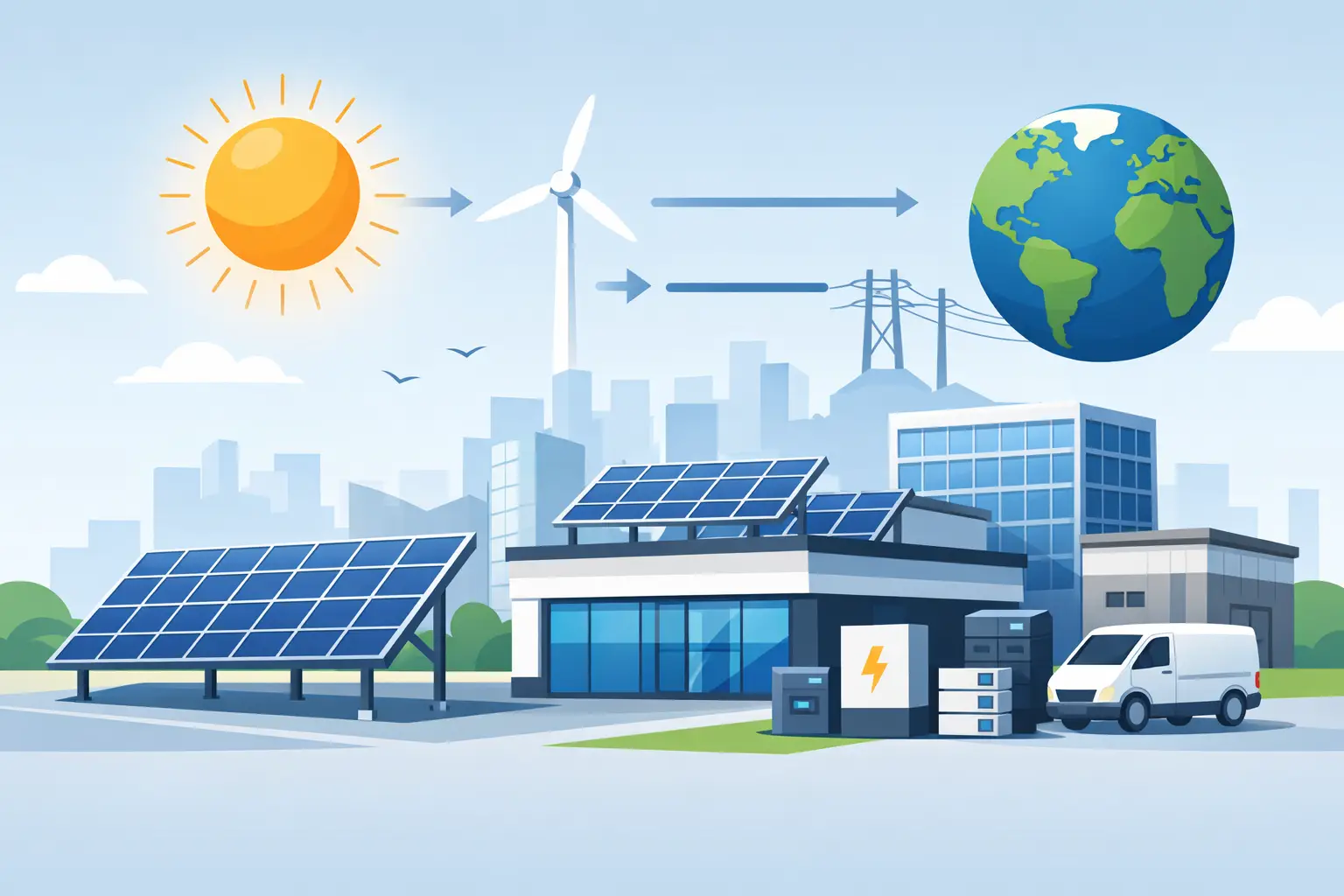
Commercial solar is broader than many people expect. In most cases, the system starts with solar panels, inverters, racking, monitoring equipment, and the electrical infrastructure needed to tie the system into the building and utility grid. From there, the project may expand based on the property and business goals.
For some facilities, rooftop solar is the obvious fit. For others, ground-mounted systems or solar shade structures over parking areas make more sense. A growing number of businesses also pair solar with battery storage to reduce demand charges, improve backup capability, or keep critical operations running during outages. If the roof needs work first, that should be addressed before installation rather than treated as an afterthought.
That broader view is where many projects either succeed or get expensive later. A commercial system should be planned around the building as a whole, not sold as a standalone product.
Why businesses are investing now
The biggest driver is still cost control. Utilities have not been moving in a favorable direction for most commercial customers, especially in high-rate markets. A properly designed system can offset a significant share of electricity use and reduce exposure to rate hikes over the life of the system.
There is also a timing advantage. Federal tax incentives and accelerated depreciation can materially improve project economics, especially for businesses with tax appetite. Add in financing options that can reduce upfront cost, and solar becomes far more practical than many owners assume.
Then there is resilience. Not every business needs battery storage, but many facilities do benefit from it. If an outage interrupts revenue, damages inventory, affects tenant satisfaction, or stops critical equipment, backup power has real value. Solar plus storage can support a more stable energy strategy, particularly for businesses operating in regions with grid stress or recurring weather-related outages.
How savings really work
A solar system for commercial use saves money in more than one way. The first is direct energy offset. When the system generates electricity, the building buys less from the utility. If the building uses a lot of power during daylight hours, that offset can be especially valuable.
The second is demand management. Many commercial bills include demand charges based on peak power use, not just total energy consumption. In some cases, adding battery storage helps reduce those peaks and improve overall savings.
The third is long-term predictability. Utility bills are volatile. Solar gives businesses a way to lock in part of their energy cost structure over time. That matters for budgeting, forecasting, and protecting margins.
Of course, savings are not identical across every property. A manufacturing site with heavy daytime loads will behave differently than an office building with lower weekend occupancy. A retail center with multiple meters may require a different design approach than a standalone warehouse. The right proposal should reflect those realities instead of relying on generic estimates.
What makes a commercial project financially strong
Not every building is a perfect solar candidate, and that is where experience matters. The strongest projects usually share a few traits: high utility rates, healthy daytime energy use, solid roof condition, and enough usable space for a system sized to the load.
Shading is another key factor. HVAC units, parapets, neighboring buildings, and rooftop obstructions all affect layout and production. So does the age and condition of the electrical equipment. If the main service or panel infrastructure needs upgrades, that should be identified early.
Financing also shapes the return. Some businesses prefer to purchase the system for maximum long-term savings and tax benefits. Others prioritize preserving capital and choose financing structures that spread cost over time. There is no single best path. The right choice depends on cash flow priorities, ownership plans, and tax strategy.
A credible installer should be able to explain the trade-offs clearly. Faster payback is not the only metric that matters. Risk, service support, warranty coverage, and installation quality all affect the real value of the project.
The design decisions that matter most
Commercial solar is not a one-size-fits-all product. System size, panel selection, inverter strategy, layout, and monitoring all affect performance. In many cases, the best system is not the largest one that can fit on the roof. It is the one that aligns with actual usage patterns and financial goals.
For example, overbuilding a system may not deliver the expected return if the utility compensation structure is less favorable for excess generation. On the other hand, undersizing the system may leave too much savings on the table. That balance should be based on interval data, rate analysis, and operational needs.
Battery storage introduces another layer of strategy. Some businesses want resilience for essential loads. Others are more focused on peak shaving or energy arbitrage where allowed. The equipment may look similar, but the control strategy and economic value can be very different.
This is also why turnkey execution matters. A provider that can evaluate the roof, electrical setup, interconnection path, and storage options under one scope tends to reduce friction and avoid missed issues.
Common concerns business owners have
The first concern is usually disruption. Most owners want to know whether installation will interfere with operations, tenant access, or customer traffic. With proper planning, the impact is often manageable. Scheduling, staging, and clear communication are a major part of a successful commercial install.
The second concern is roof integrity. That concern is valid. Solar should not be installed on a roof that is near the end of its life or has unresolved issues. If roofing work is needed, it is more cost-effective to address it before the system goes in.
The third concern is maintenance. Commercial solar systems are generally low maintenance, but low maintenance does not mean no maintenance. Monitoring, inspections, occasional cleaning, and service support help protect production over time. If a provider disappears after installation, that becomes your problem later.
There is also the question of whether tariffs, codes, incentives, or utility rules could change. They can. That is one more reason to work with a team that stays current and can manage permitting, utility coordination, and post-install support without passing the complexity back to the customer.
Why installer experience matters more in commercial solar
Large projects leave less room for error. Roof loading, electrical integration, utility interconnection, and project scheduling are more complex on commercial sites than on most homes. If a system underperforms or the installation drags out, the cost of that mistake is higher.
An experienced contractor should be able to evaluate structural considerations, model savings realistically, identify service upgrades if needed, and coordinate the process from design through commissioning. That includes knowing when solar alone is enough and when batteries, panel upgrades, or roofing work should be part of the plan.
This is where a full-service provider can offer a real advantage. Companies like LA Solar Group that handle solar, storage, electrical upgrades, roof-related work, and ongoing service are often better positioned to keep the project moving and solve issues before they become delays.
Is a solar system for commercial use right for your property?
If your business has meaningful electricity costs, plans to stay in the property, and wants more control over long-term operating expenses, it is worth evaluating. The best candidates are not limited to one industry. Office buildings, industrial facilities, retail properties, schools, houses of worship, agricultural operations, and multifamily sites can all benefit when the numbers and site conditions line up.
What matters most is getting a serious assessment, not a quick pitch. Your usage profile, roof condition, utility tariff, and capital strategy should drive the recommendation. A well-designed system can reduce bills for decades. A poorly scoped one can create avoidable headaches.
The smart next step is simple: look at the building, look at the bill, and ask what your energy costs should be five or ten years from now. If that answer makes you uncomfortable, solar is no longer a future project. It is a current opportunity.