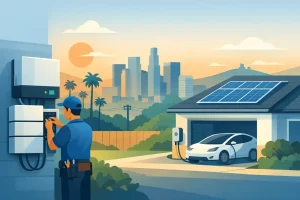
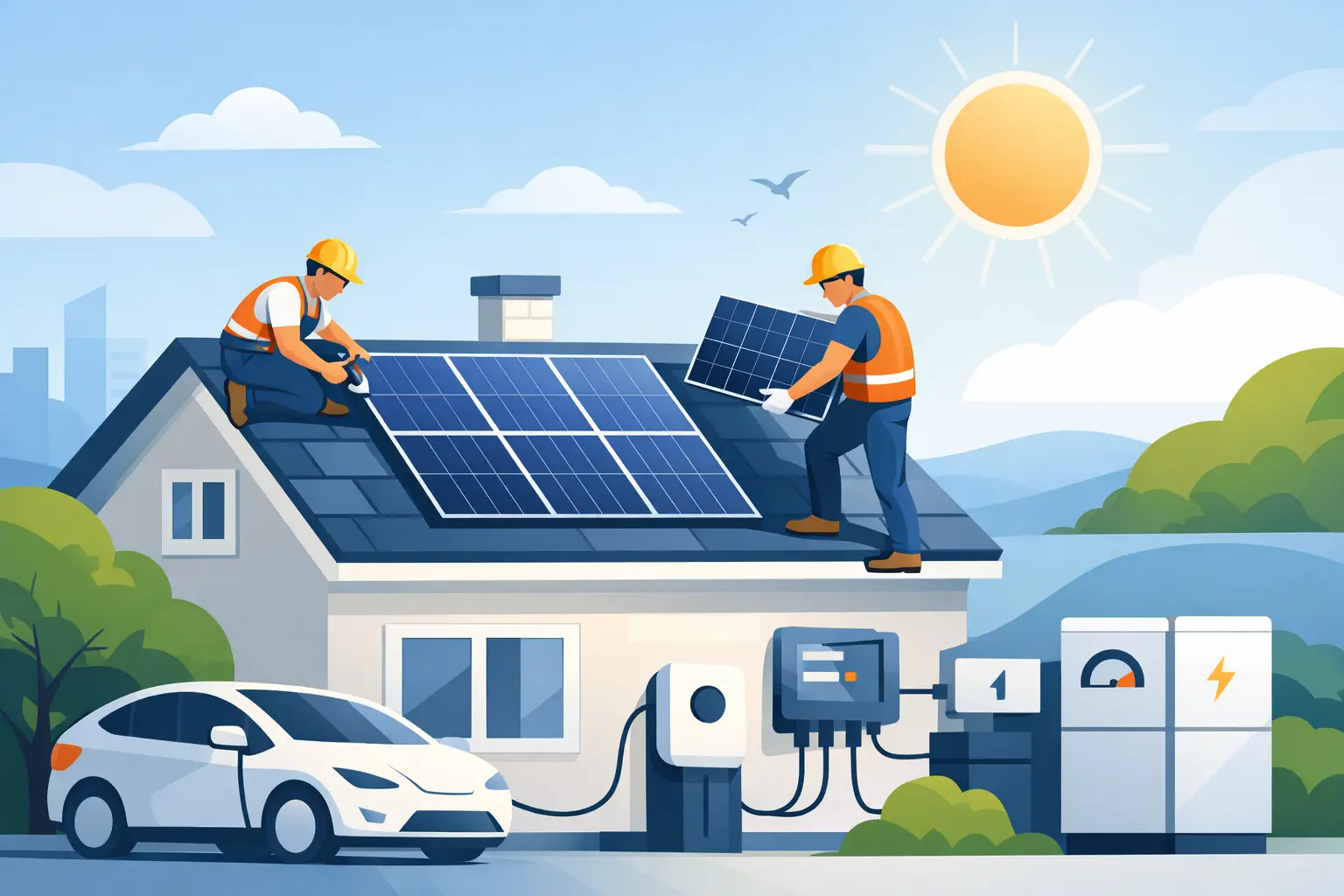
If your electric bill keeps climbing and outage season feels less predictable every year, a residential solar installation guide should answer one question first: what will this do for your home, not just on paper, but month after month? For most homeowners, the real value comes down to lower utility costs, better control over energy use, and the option to add backup power without juggling multiple contractors.
Solar is no longer a niche upgrade. It is a practical home improvement that can reduce long-term energy costs and make your property more resilient. But the difference between a smart investment and a frustrating project usually comes down to system design, roof condition, equipment quality, and the installer’s ability to handle the entire job from start to finish.
What this residential solar installation guide should help you decide
A good solar project starts before anyone steps on your roof. The first step is figuring out whether your home is a strong fit. That means looking at your annual electricity usage, roof orientation, shading, available roof space, utility rate structure, and how long you plan to stay in the home.
A south-, southwest-, or west-facing roof often performs well, but orientation is only part of the picture. Heavy shade from trees, neighboring structures, or architectural features can reduce production. Your roof’s age matters too. If the roof is already near the end of its life, it is usually smarter to address roofing work before the solar install rather than pay to remove and reinstall panels later.
Your utility bill tells an important story. A homeowner with high summer air conditioning loads, an EV, or plans to electrify appliances may need a larger system than past usage alone suggests. On the other hand, if your usage is expected to drop because of efficiency upgrades, oversizing may not make financial sense. This is where real design work matters. Cookie-cutter proposals can miss the details that affect payback.
How residential solar installation works from quote to power-on
The solar process feels much easier when one company manages design, permitting, installation, and service. In most cases, the project moves through a few key phases, and each one affects timeline, cost, and long-term performance.
Site evaluation and system design
The process usually starts with a consultation and site review. Your installer should evaluate your roof, electrical panel, structural conditions, shading, and energy usage. From there, they design a system sized to your home and your goals. Those goals may be straightforward bill reduction, or they may include battery storage, EV charging, or partial-home backup during outages.
This is also the stage where equipment choices matter. Premium panels can offer higher efficiency and a stronger production profile in limited roof space. Inverters, whether string or microinverter based, affect monitoring, shade performance, and future expandability. If your home may need a panel upgrade or smart main panel, that should be addressed upfront rather than treated as a surprise change order later.
Permits, utility approval, and paperwork
After design approval, the installer typically handles permits and utility interconnection. This stage can test a homeowner’s patience because local jurisdictions and utilities move at different speeds. A strong installer keeps the project moving and communicates clearly about what is happening behind the scenes.
If you are using financing, this is also when loan documents or other payment structures are finalized. Homeowners should understand the difference between cash purchase, loan, lease, and power purchase options where available. Cash usually delivers the highest long-term return, while financing can reduce the upfront burden and make solar accessible sooner.
Installation day and inspections
Once permits are approved and equipment is ready, the physical installation is often faster than people expect. Many residential projects are completed in one to three days depending on system size, roof complexity, and whether battery storage or electrical upgrades are included.
Install crews typically mount the racking, install panels, place inverters or related equipment, complete electrical connections, and label the system for code compliance. After installation, the system usually needs inspection from the local authority and final utility approval before it can be turned on. That final step is often called permission to operate.
Equipment choices that affect performance and value
The best system is not always the cheapest proposal. This is where homeowners need to look beyond price per watt and ask what they are actually getting.
Solar panels vary in efficiency, durability, and warranty support. If your roof space is limited, higher-efficiency modules can produce more power in the same footprint. If you have plenty of roof area, a lower-cost panel may still work well, provided quality and warranty terms are solid.
Inverters deserve just as much attention. Microinverters can be a strong fit when a roof has multiple planes or partial shade because each panel operates more independently. String inverter setups can be cost-effective and perform very well in the right design. There is no universal winner. The right choice depends on roof layout, shading conditions, serviceability, and budget.
Battery storage changes the conversation entirely. If your main goal is bill savings, solar alone may be enough. If you want backup power during outages, better management of peak utility rates, or more energy independence, a battery can add real value. The trade-off is cost. Batteries improve resilience, but they extend total project investment, so the decision should match your priorities.
Costs, incentives, and what payback really depends on
Homeowners often ask for a simple number, but solar economics are local. System size, roof type, equipment brand, electrical work, battery inclusion, financing terms, and utility rates all influence cost.
Federal tax incentives can significantly improve the economics for eligible homeowners. State and utility programs may add more value depending on where you live. Net metering or other export compensation policies also matter because they determine how much credit you receive for excess power sent back to the grid.
Payback is not just about system price. It depends on how expensive your utility power is today, how fast those rates may rise, how much of your solar energy you use directly, and whether your financing structure changes the monthly math. In high-cost electricity markets, the savings case can be strong. In lower-rate areas, the decision may lean more on long-term stability and energy independence.
Common mistakes this residential solar installation guide can help you avoid
The biggest mistake is buying based on headline price alone. A low bid can hide weaker equipment, a poor production estimate, limited service support, or missing electrical and roofing work that shows up later as added cost.
Another common problem is ignoring roof readiness. Installing solar on an aging roof can create avoidable expense down the line. The same goes for undersized electrical infrastructure. If your panel is outdated and you are planning to add solar, battery storage, or an EV charger, it makes sense to plan the whole energy upgrade together.
Homeowners also get into trouble when they underestimate future usage. If you expect to buy an EV, install a heat pump, or convert gas appliances to electric, your solar design should reflect that. Otherwise, a system that looks right today may feel too small in two years.
Finally, do not overlook post-install service. Solar is a long-term asset. Monitoring, warranty support, maintenance, and a provider that stands behind the work matter just as much as installation day.
Choosing the right installer for your home
A qualified installer should be able to explain system design in plain English, show you how production estimates were calculated, and walk through trade-offs without pressure. You want a company that can handle more than panel placement. Roofing coordination, battery integration, EV charger installation, panel upgrades, and ongoing service all become easier when the project is managed under one roof.
Experience matters here. So does operational scale. A company that has completed thousands of installations has likely seen the roof issues, permit delays, and electrical complications that can derail less prepared providers. That kind of experience usually leads to better planning and fewer surprises.
For homeowners who want a one-stop clean energy partner, LA Solar Group reflects the model many buyers are looking for – design, installation, roofing, storage, electrification, financing, and service handled as a coordinated project rather than a patchwork of vendors.
Is now the right time to go solar?
If your utility bills are high, your roof is in good shape, and you plan to stay in your home long enough to benefit from the savings, the answer is often yes. Waiting can mean paying more to the utility while equipment and incentive conditions shift over time. At the same time, not every home should move forward immediately. If your roof needs replacement first or your usage is about to change significantly, it may be smarter to plan carefully than rush the decision.
The best solar project is the one designed around how your household actually lives, uses power, and plans for the future. Start there, ask harder questions than price alone, and the right system will make itself clear.