If your electric bill keeps climbing while your home still feels too hot, too dark, or too dependent on the grid, the fix usually is not just one product. The best home energy upgrades work as a system. They cut waste, lower monthly costs, improve comfort, and give you more control over how your home uses and stores power.
That matters because not every upgrade delivers the same return. Some improvements save energy quietly in the background. Others, like solar and battery storage, can change how your home operates every day. The right mix depends on your roof, your utility rates, your existing equipment, and whether your goal is lower bills, backup power, or both.
How to think about the best home energy upgrades
A lot of homeowners start with the most visible option first, then figure out the rest later. Sometimes that works. Often, it leads to missed savings or a system that is oversized, undersized, or not fully optimized.
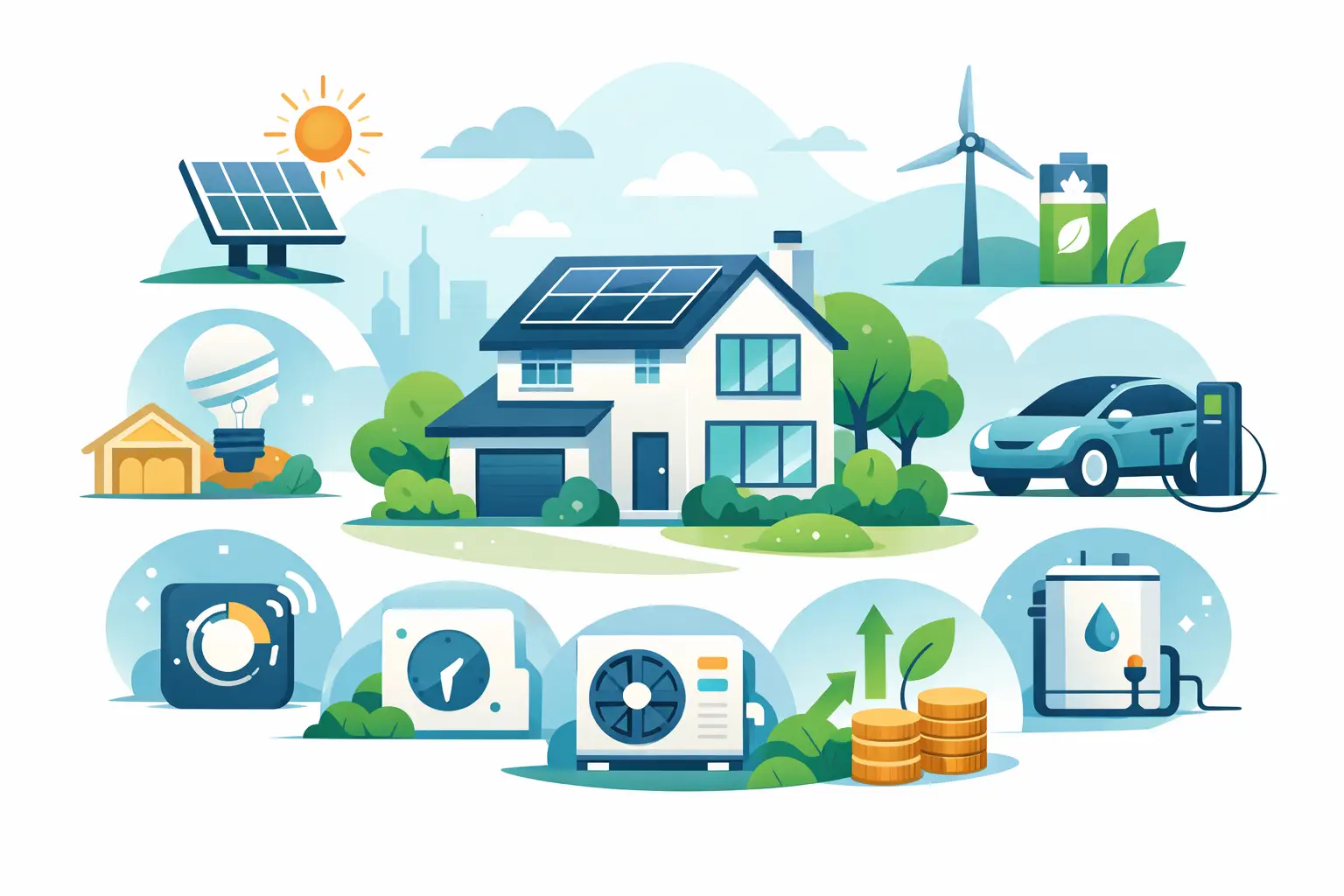
A better approach is to look at your home in layers. First, reduce energy waste. Then upgrade the equipment that uses the most power. After that, add generation, storage, and control systems that help you manage what you produce and consume. This is where the financial case usually gets stronger.
For most US homes, the biggest opportunities are heating and cooling, water heating, major appliances, lighting, and electricity purchased from the utility. If you are in a high-rate market like California or Hawaii, upgrades that reduce peak grid use can be especially valuable.
Best home energy upgrades with the strongest real-world impact
1. Solar panels
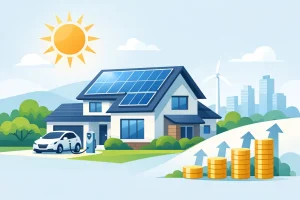
Solar stays near the top of the list because it offsets one of the biggest long-term household expenses: utility power. If your home has solid roof exposure and you plan to stay in the property for several years, solar can turn unpredictable electric bills into something far more manageable.
Its value depends heavily on your utility rate structure, roof condition, system design, and financing terms. A cheap system that underperforms is not a bargain. A properly engineered system with quality components and good installation support usually creates a much better ownership experience.
Solar also works best when it is treated as part of a broader electrification plan. If you expect to add an EV, switch to a heat pump, or electrify your water heater later, that should be built into the design from the start.
2. Battery storage
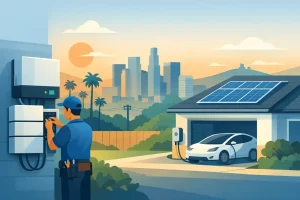
Battery storage is no longer a niche add-on for homeowners who want a tech-forward setup. In many markets, it is becoming one of the smartest upgrades available. A battery can keep critical loads running during outages, reduce reliance on the grid during expensive rate periods, and store excess solar production for later use.
This is one of the clearest examples of an upgrade where the right fit matters. If your utility offers weak compensation for exported solar power, battery storage can improve the economics of your system. If outages are common in your area, the resilience value alone can justify serious consideration.
The trade-off is upfront cost. Batteries are powerful, but they are not always the first upgrade every homeowner should make. If your home is wasting energy through poor insulation or old HVAC equipment, those issues may need attention too.
3. Heat pump HVAC systems
Old air conditioners and furnaces can drain energy and still leave rooms uncomfortable. Modern heat pump systems are one of the most effective ways to improve both efficiency and comfort, especially in mild to warm climates where they perform extremely well.
They heat and cool using less energy than many legacy systems, and they pair naturally with solar because they run on electricity rather than gas. For homeowners planning long-term electrification, this is a major step.
That said, performance depends on proper sizing, duct quality, and installation. A high-efficiency unit will not fix leaky ducts or poor airflow on its own. This is why whole-home planning matters.
4. Heat pump water heaters
Water heating is one of the biggest hidden energy costs in many homes. Heat pump water heaters use far less electricity than standard electric resistance units, and they can deliver strong savings over time.
They make the most sense in homes with enough installation space and a layout that supports airflow and condensate drainage. They can also produce some ambient cooling, which can be a plus in warmer climates and less helpful in cooler interior spaces.
For homeowners replacing an aging water heater anyway, this upgrade is often worth serious attention. The timing matters. It is easier to choose an efficient replacement before a tank fails than during an emergency swap.
5. Smart main panel upgrades
This is one of the most overlooked high-value improvements in modern home energy planning. A smart main panel or smart electrical upgrade gives you better visibility into home energy use and can help manage large electrical loads more intelligently.
That becomes especially useful if you are combining solar, battery storage, EV charging, electric appliances, and future expansion. In some homes, a smart panel can reduce the need for more expensive electrical work by allowing better load management.
It is not the flashiest upgrade, but it can be the piece that makes the rest of your system cleaner, safer, and more scalable.
6. EV charger installation
If you already own an EV or know one is coming soon, home charging belongs in your energy upgrade plan. Charging at home is more convenient, often less expensive than public charging, and much more effective when integrated with solar and battery storage.
The value here is not just convenience. It is control. You can shift charging to lower-cost periods, use solar generation more effectively, and avoid overloading an older electrical setup with a poorly planned install.
This is another area where electrical readiness matters. The charger itself is only part of the equation.
7. Insulation and air sealing
These upgrades do not get the same attention as solar panels or batteries, but they often improve comfort faster than anything else. If your home leaks conditioned air through the attic, ductwork, windows, or wall penetrations, you are paying to heat and cool the outdoors.
Air sealing and insulation reduce that waste. They can also make your HVAC system work better and potentially allow for smaller equipment sizing when replacement time comes.
The catch is that the payoff varies based on the age and condition of the home. In some properties, the improvement is dramatic. In others, the savings are meaningful but less visible than a generation upgrade.
8. High-efficiency lighting and appliances
These are rarely the headline upgrades, but they still matter. LED lighting, induction cooking, efficient laundry equipment, and ENERGY STAR appliances can trim ongoing electricity use while improving daily performance.
On their own, they may not transform your utility bill. Combined with larger upgrades, they help reduce total demand and make your home energy system more efficient from end to end.
Which upgrades should come first?
The best order usually starts with a simple question: are you trying to reduce waste, replace failing equipment, or build a more independent electric home?
If your HVAC system or water heater is near the end of its life, replacement timing can drive the decision. If your utility bills are high and your roof is solar-ready, solar may be the strongest first move. If outage protection is a priority, battery storage moves up the list quickly.
For many homeowners, a practical path looks like this: address obvious air leaks and insulation issues, plan for electrical capacity, replace inefficient major equipment, then add solar, storage, and EV charging in a coordinated way. That approach tends to create better long-term performance than making isolated purchases one at a time.
What makes an upgrade actually worth it
The best home energy upgrades are not just efficient on paper. They fit your home, your rate plan, and your future needs. A low-cost install with weak design can underdeliver for years. A well-planned system can reduce bills, improve resilience, and make future upgrades easier.
Homeowners should also look beyond simple payback. Comfort, outage protection, maintenance needs, panel capacity, roof condition, financing options, and available incentives all affect the real value of a project. A premium upgrade is only worth the premium if it is installed correctly and sized for the way you actually live.
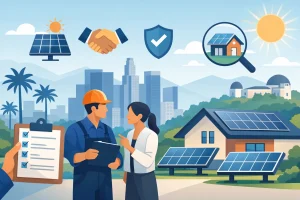
That is why working with an experienced, full-service provider can make such a difference. When solar, storage, roofing, electrical upgrades, and ongoing support are planned together, the results are usually cleaner and more cost-effective than trying to coordinate multiple contractors. That integrated approach is a big reason homeowners choose companies like LA Solar Group for larger energy projects.
If you are deciding where to start, do not chase trends or copy someone else’s setup. Start with your home’s biggest energy costs, your utility reality, and the upgrades that still make sense five or ten years from now. The smartest investment is the one that keeps delivering long after the installation crew leaves.