A lower electric bill looks good on paper. A lower electric bill that holds up across rising utility rates, demand charges, and long operating hours is what really gets a business owner’s attention. That is why choosing the best commercial solar system is less about buying panels and more about building the right energy strategy for your property, usage, and growth plans.
For most businesses, the wrong system is not one that fails outright. It is one that is oversized for the roof, undersized for the load, built around cheaper equipment that creates service headaches, or designed without considering storage, roof condition, and financing. The best system is the one that produces reliable savings for years without creating new problems.
What makes the best commercial solar system?
The best commercial solar system is the one that matches your building’s load profile, local utility structure, roof condition, and budget. That sounds simple, but it changes everything.
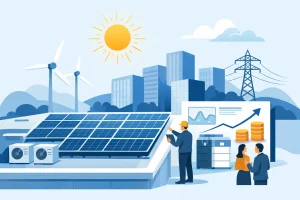
A warehouse with large daytime usage may benefit from a straightforward rooftop array designed to offset as much peak daytime consumption as possible. A retail center with high evening demand may need a different mix, especially if battery storage can reduce expensive peak charges. An office building with a newer roof and predictable weekday loads may be a strong candidate for a clean rooftop design with a fast payback. The point is that there is no single best setup for every property.
What does stay consistent is the decision framework. A strong commercial solar system should deliver meaningful bill reduction, use durable equipment, fit the site without compromising roof integrity, and leave room for long-term serviceability. It should also pencil out financially under realistic assumptions, not best-case projections.
The best commercial solar system starts with load, not hardware
Many buyers begin by asking which panel brand is best. That matters, but it is not the first question. The first question is how and when your business uses electricity.
Commercial utility bills are rarely just about total kilowatt-hours. Many businesses also pay demand charges based on their highest periods of usage. That means two businesses with similar monthly consumption can have very different savings opportunities. If your operation spikes at certain hours, system design should account for that. In some cases, batteries improve the economics. In others, they add cost without enough return.
A solid design process starts with at least 12 months of utility data. That lets your installer see seasonal patterns, peak usage windows, and rate structure details. From there, system size can be based on the real financial target, whether that is offsetting base load, reducing demand charges, or locking in more predictable operating costs.
This is where experienced commercial design matters. A system that looks great in a proposal can underperform financially if the usage assumptions are off.
Key components that separate a good system from a costly mistake
Panels get most of the attention, but commercial solar performance depends on the full system.
High-efficiency modules are valuable when roof space is limited or when the project needs to maximize output per square foot. If your building has plenty of usable space, the value equation can shift. In that case, slightly lower-cost premium panels may make more sense than paying extra for marginal efficiency gains.
Inverters are just as important. The right inverter setup depends on array layout, shading, and maintenance goals. For simpler commercial roofs with uniform sun exposure, string inverters are often a cost-effective choice. For more complex designs or conditions with variable shading, module-level optimization may improve performance and visibility. There is a trade-off, though. More component-level electronics can mean more points of service over time. That does not make them a bad option, but it does mean the design should be intentional.
Racking and attachment systems matter more than most buyers realize. A commercial roof has to support the array, maintain waterproofing, and remain serviceable. That is why roof condition should be part of the solar conversation from day one. Installing on an aging roof can turn a smart investment into a scheduling and cost problem a few years later.
Monitoring is another major factor. Business owners and facility teams need clear production data and alerts when something is off. A commercial system should not leave you guessing whether it is performing as promised.
Rooftop, carport, or ground mount?
For many properties, rooftop solar is the most practical place to start. It uses existing space, avoids consuming parking or land, and often delivers the strongest return when the roof is in good shape.
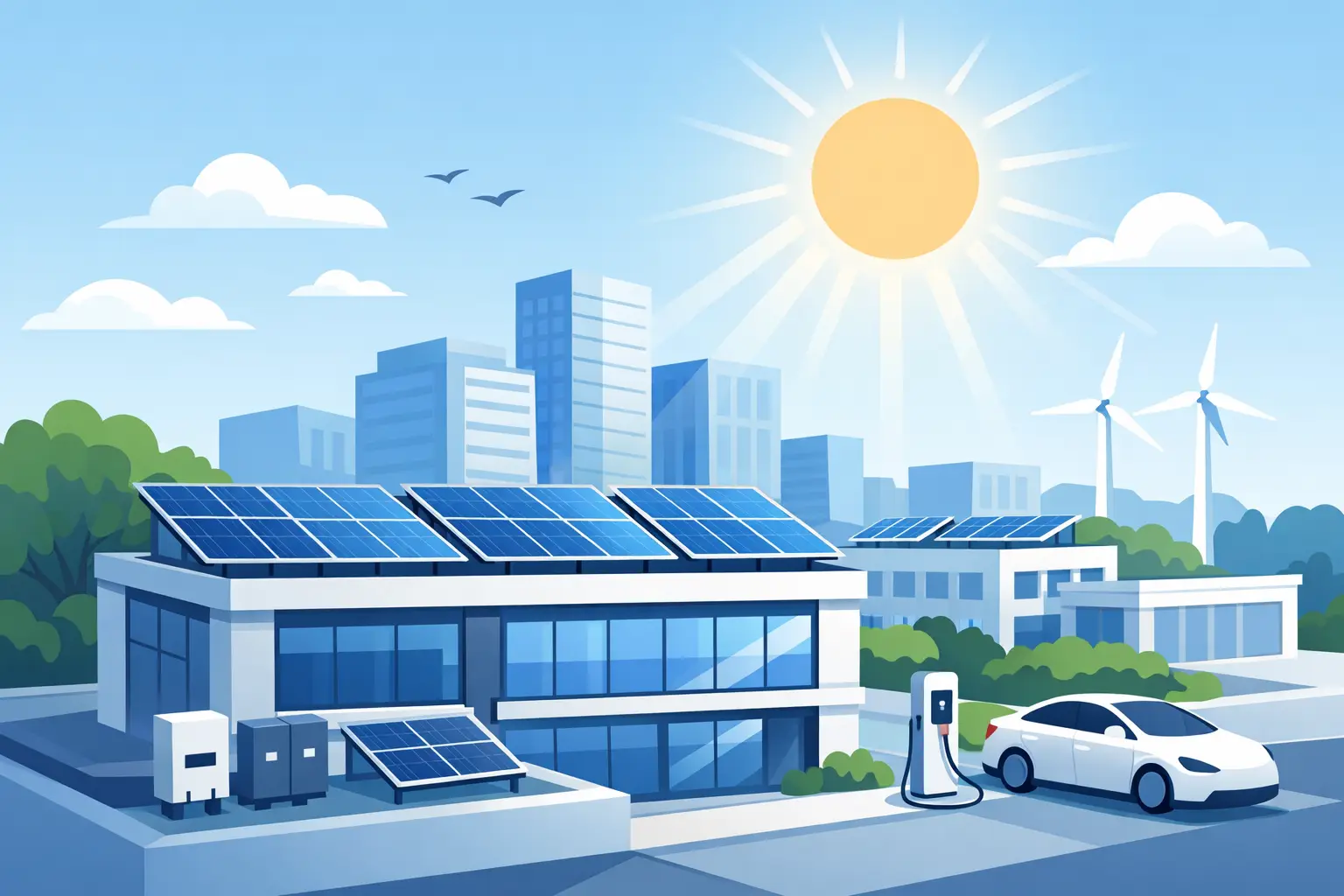
Carports make sense when parking lot space is available and shaded parking adds value for tenants, employees, or customers. They can also support EV charging infrastructure and create a more visible sustainability story. The trade-off is cost. Solar carports typically require more structural work than rooftop systems, so the economics need to justify the premium.
Ground-mounted systems can work well for facilities with open land, but they are less common in urban and high-value commercial markets where land is better used for operations or development. They can still be the best fit when roof limitations are severe or when expansion capacity is a priority.
The best commercial solar system is often the one that uses the right mounting strategy for the site instead of forcing every property into a standard layout.
Should your commercial system include battery storage?
Not every business needs batteries, but some absolutely should consider them.
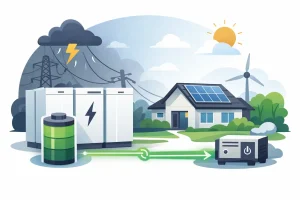
If your utility tariff includes steep demand charges, batteries may help reduce costly peaks. If your facility cannot afford downtime during outages, storage can also support resilience. That matters for businesses with refrigeration, security systems, sensitive equipment, or customer-facing operations where even short interruptions are expensive.
Still, battery storage should be evaluated carefully. In some projects, the solar-only payback is strong and storage stretches the timeline too far. In others, the combined value of backup power, demand management, and utility savings makes storage a smart addition. The answer depends on your utility rates, outage risk, and operating priorities.
That is why a one-size-fits-all sales pitch is a red flag. Good commercial energy planning accounts for both savings and continuity.
Financing matters as much as equipment
The best commercial solar system is not always the cheapest bid. It is the system with the strongest long-term value after incentives, financing costs, maintenance expectations, and production estimates are all on the table.
Some businesses prefer to purchase the system outright and capture the full financial benefit over time. Others want to preserve cash and use financing to start with little or no upfront spend. There are also cases where the right structure depends on tax appetite, ownership goals, or how the property is held.
This is where commercial buyers should slow down and ask tougher questions. What assumptions are driving the savings forecast? How much annual panel degradation is built in? What happens if utility rates rise slower than expected? What warranty support is included, and who is responsible for service after installation?
The proposal should be understandable and defensible. If savings only work under aggressive assumptions, it is not the best commercial solar system. It is just the best-looking spreadsheet.
Experience reduces risk
Commercial solar is not just an equipment purchase. It is a design, engineering, permitting, installation, and service project that affects your building and operating budget for years.
That is why execution matters. An experienced provider can identify roof issues early, coordinate structural review, manage utility interconnection, and build a system that aligns with real operating needs. That kind of end-to-end planning reduces change orders, delays, and unpleasant surprises.
For business owners and property managers, a turnkey partner often creates more value than trying to piece together separate vendors. If roofing, storage, monitoring, and long-term service all connect under one team, the project tends to move more cleanly and stay easier to manage after commissioning. That is one reason many commercial customers look for a provider with broad in-house capability and a long installation track record, like LA Solar Group.
How to evaluate your options clearly
Start by looking past headline system size and total price. Ask how much of your bill the system is expected to offset and which charges it is targeting. Make sure the design reflects your actual usage patterns, not generic estimates.
Then look at the roof and electrical infrastructure. If either needs work soon, handle that in the project plan rather than treating it as someone else’s problem. Review equipment quality, but also review service commitments. Strong warranties help, but responsive support matters just as much when a system needs attention.
Finally, compare proposals on net value, not sticker price. The best commercial solar system should reduce utility costs, protect business operations, and remain dependable over the long term. If a bid is dramatically cheaper, there is usually a reason.
A commercial solar project should make your business easier to run, not more complicated. When the system is designed around your building, your load, and your financial goals, solar stops being a nice idea and starts acting like a smart operating asset. That is the standard worth aiming for.