
Advantages to Solar Power Generation
What is Solar Energy Generation?
Most promising and fastest-growing renewable source of energy for power generation around the world is solar energy production. Electricity is now a major part of our daily lives, and there’s an increasing demand for it.
Fossil fuels that are the primary source of electricity production, are rapidly depleting. Additionally, their use raises serious environmental issues. These issues require the development alternative energy sources for renewable power that are safe for the environment.
Renewable energy sources include wind, solar biomass, water, and geothermal. Solar energy is the most promising and likely to become a major player in the future. It generates electricity at a fraction of the cost of other sources of energy.
What is Solar Power? Why Choose It?
The conversion of sunlight radiation into electricity by a solar photovoltaic cell is called solar power. Photovoltaic effect is the method that converts sunlight into electricity. Experts agree that solar energy is more than 10000 times higher than the energy consumed by humans.
The energy generated by the sun is sufficient to power the entire planet for one year, if the solar energy of 100 percent could be converted into energy within an hour.
There are many different applications that make use of solar energy. This article will provide information on how to create electricity using PV cells. Because it requires a minimal amount of steps to generate electricity the solar power generation process can be more effective than any other method.
There are two ways to convert sunlight into electricity. One method uses solar energy to create heat. The heat is then utilized to create steam that is used to power an engine called a steam turbine. This is referred to as the solar thermal power generation.
Another method is to convert solar power directly to electricity through the use of solar cells (or PV) as explained above. Silicon semiconductor materials are used to make PV cells.
Below are some aspects to take into consideration when selecting solar power generation.
The sun’s energy can be located in nature easily and quickly and does not require power from the mains.
A solar generation plant can be installed in just two weeks, whereas the conventional power plant requires several years to construct an energy production facility.
Since it doesn’t cause any water or air pollution Solar power is considered an energy source that is clean. There aren’t any moving parts which could create noise. The solar energy generation generates no harmful emissions unlike fossil fuels.
Solar energy has a lower running expense than fuels from fossil sources. This means that once the investment in capital is completed, you won’t have to keep buying fossil fuels.
How does solar power get generated by a PV cell?
The PV cell is also known as a solar cell is an electronic device that converts sunlight energy into electricity. It does not require any energy conversion.
Photovoltaic cells are able to change sunlight’s energy into. When sunlight hits it, the cell generates voltage and current in its connections.
The amount of light hitting the solar cell determines its ability to generate power and how it operates. It also takes into account factors like the magnitude, intensity, angle and the size of the solar cell.
If the intensity of light is greater, more power{ is|| will be} produced. The power produced is greater when the area of the cells is larger. The cells produce the most power when light falls perpendicularly to the cell’s front.
Solar cells are constructed of silicon semiconductor material. The wafers are then processed by boron and phosphorus in order to make tiny silicon wafers. After doping, the wafer layers are aligned to form solar cells.
No matter what material or technology, all solar cells have two terminals (positive terminals as well as negative), which allow for the taking of electric current. The typical solar cell has one front contact at the top, a PN junction in the middle and a back contact at its bottom.
The sun is composed of photons and bundles. Each photon has a finite number of energy. Photons need to be absorbed in order to create electricity from a solar cell. Absorption is determined by the energy of the photon, as well as the band-gap energy of semiconductor materials.
The photons are absorbed into the semiconductor material in the solar panel. This is how electron-hole pair are formed when they meet. The junction is created by connecting the solar cell with the load. Both electrons and holes will be separated from one another by the load. The electrons and holes are gathered at the positive terminal, while holes are located at the positive terminal.
The voltage is then created through the creation of an electrostatic attraction between the terminals. This generates a direct current, which is then transmitted to Power converters inverters or battery charging circuits.
The current generation will increase in the event that only one or two photons are incorporated. But, not all the sunlight that hits the solar cells will be converted into electricity.
Because light is made up of photons having different wavelengths, this is why it is so. Certain photons hit the solar cell, however they reflect back, preventing them from entering the cell. Certain materials permit the creation of electrons, which can recombine other molecules, before they are drawn into current.
There are many reasons that efficiency or conversion rates aren’t as high. Individual residences have a conversion efficiency of 6-10%.
Solar panels can be used for large-scale solar power plants and installations. They are manufactured using the best materials and technologies and therefore are more expensive.
A solar cell of 4cm2 produces 0.7W of power, and an output voltage of 0.5-1 V. The most efficient solar panels are typically 25%..
The cells are linked to one another in order to produce high potential difference or voltage, and also more power.
By connecting solar cells PV modules can be made. A PV array can be created by connecting multiple PV modules. It can be utilized to generate both high and small power generation.
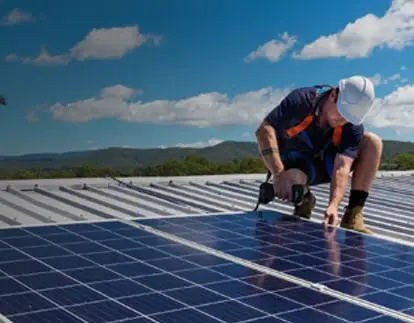
Solar Power Energy Source
Did you know that one hour of sunlight can provide enough power to run the entire world for a whole year? The sun is a source of energy that is undoubtedly effective. Although we aren’t able to collect all of it using solar panels, harnessing its power with solar panels could create a significant impact on the earth.
Although solar energy was once widely criticized as inefficient and expensive however, it has proved to be an extremely useful source for the environment as well as private sector.
Solar energy is now the main source of power for growing numbers of families due to the availability and competitive pricing in solar panels. This technology has experienced significant advances over the past few years. Solar battery storage systems are being added to improve the efficiency of solar energy.
Here’s a summary of the Solar Energy benefits:
- Renewable
- Inexhaustible
- Non-polluting
- Global Warming Can Be Avoided
- The reduction in the usage of fossil fuels
- Reduces Energy Imports
- Creates local wealth and jobs
- Helps sustain growth
- It can be adjusted to any circumstance since the product is modular, and flexible
- It can be utilized in large-scale electricity generation as well as in remote areas that are not connected to the grid.
Solar Power Generation Advantages
1. Renewable Energy Source
Solar panels offer many benefits, but the best thing with solar panels lies in that they’re all about the solar energy industry. It is readily accessible in every part of the world and is available throughout the day. Solar energy is not the same as other sources of energy.
In the event of sunlight solar energy will always be accessible. Therefore the sun will continue to shine for at least 5 billion more years.
2. Lower Electricity Costs
Your energy costs will decrease due to the fact that you’ll be able to meet some of your energy requirements using the power created by your solar panel. How much you can save on home monthly payment depends on the extent of the solar power generated, as well as the power and heat usage.
If you own an organization that is using commercial solar panels this change can be extremely beneficial since it will cover large portions of your energy expenses.
You’ll also be able save money on your electric bill and get payments from the Smart Export Guarantee (SEG) for any excess energy you export to the grid. You could generate more electricity than what you use, provided your solar panel system is connected electrically to the grid.
3. Multiple Applications
There are many applications for solar energy. Photovoltaics and solar thermal can be utilized to generate electricity or heat. Solar energy can be used to produce electricity in locations with no electric grid, to distill water in areas with limited water supply, and to power satellites from space.
Solar energy can be integrated in building material. Sharp has released transparent solar energy windows too long ago.
4. Reduced maintenance
Solar energy systems need very low maintenance. They just necessitate minor upkeep. Each year, you can clean them. It is always possible to rely on the services of a professional.
The top solar panel manufacturers provide 20-25 year guarantees. Because there aren’t any mechanical components, the risk of depreciation and damage are very minimal. The converter is essentially the only part that needs replacement every 5-10 years because it is constantly transforming solar energy into heat and electricity (solar thermal instead of. PV). The solar power system you have installed will require maintenance to ensure maximum efficiency.
After paying the initial price of your solar panel, there will be very little maintenance or repair costs.
5. Technology Development
The technology of the solar power sector is continually improving and is expected to continue to advance. Quantum physics and nanotechnology are two of the most exciting innovations that are being made in the solar energy sector. They can increase effectiveness of solar panel systems and can even double or triple the electrical inputs to the system.
Solar Energy Disadvantages
1. Cost
A solar system may be costly to purchase at first. The cost of the initial solar system will include an inverter, batteries and wiring. However, the costs of solar technologies are constantly evolving, so it is likely that they will fall in the future.
2. Weather-Dependent
Even though solar energy can be collected during rainy or cloudy days, its efficiency drops. In order to capture solar energy efficiently, solar panels need sunlight. Some cloudy or rainy days can have an effect on the system of energy. Additionally, solar energy can be captured only at night.
Thermodynamic panels are an option when your system for water heating requires to run at night or in winter.
3. It is the Cost of Solar Energy Storage is expensive
You can make use of the solar energy immediately as well as store it into huge batteries. These batteries can be used in solar systems that are off grid and can be recharged throughout the day to make the energy available for use at night. Although it is a fantastic method of utilizing solar power throughout in the daylight, it could cost quite a bit.
It is more efficient to make use of solar energy during the daytime and{ to|| then} draw energy from the grid during evening. But, this can only be done when your system is linked to the grid. Solar energy can be used to meet your energy needs and that’s why you will find that the demand for energy is higher in the morning.
4. It occupies a significant amount of space
You’ll need additional panels to generate more power. This is due to the fact that you want to get as much sun as you can. Solar PV panels can take up quite a bit of space. However, the roofs of not every building can hold the amount of panels you’d like.
You could also put the panels in your backyard, however they must have sunlight. You may decide to put in less panels if they don’t are able to install enough panels.
5. Pollution is usually associated with it
Although solar energy isn’t as polluting than other sources for energy it can still cause pollution. The emission of greenhouse gases is linked to the transportation and installation of solar panels.
Some hazardous materials and toxic substances are utilized to make solar photovoltaic systems. These products can also indirectly impact the environment.
However solar energy is less polluting than other energy sources.
Start your journey to Solar Energy Today!
There are many pros and cons with solar energy. However, if you found this article informative, you can also check out our 6-step guide which will help you choose the best solar panels for your home. This guide covers everything and includes how you can save on electricity costs by installing solar panels.
This has ignited your curiosity about solar energy. We can help you find your best deal! Contact us using the form on the top of the page to receive four estimates from professionals who install. You can save hours of research by taking a couple of minutes to fill out the form. It is totally free and not binding!
