
Alternative Energy vs Fossil Fuels
Alternative Energy vs Fossil Fuels
If you are like 77% of Americans It may be more important to create infrastructure for renewable energy than to continue removing fossil fuels. You might not be able to fully comprehend the reason behind it or which alternative energy source you should choose, even though you are aware of the need to create these.
Today we will examine the difference in fossil and alternative energy sources. We’ll also examine why the majority of folks believe that renewable power could be a major resource of power in the coming years and what that means for the world in which we live.
Are renewable energy sources more expensive than fossil fuels?
Renewable energy sources can be costly initially However, they are usually inexpensive to make use of. Through the lifetime of the turbine or panel power can be generated “for no cost” through sources such as solar and wind. Because fossil fuels are difficult to find, extract, transport, and use, they could result in high prices.
Numerous solar energy projects could be constructed at half the price that fossil fuels cost. The cost is predicted to drop as more people adopt solar energy.
Cost of Renewable Energy vs. Fossil Fuels
We’ll show you how government subsidies can play a significant impact on the development in renewable sources of energy. But let’s first look at the cost to produce renewable energy versus fossil fuels without subsidies to understand the true cost difference.
The global energy market shows that coal prices are on average $0.06 per Kilowatt hour (kWh) as steam prices for fossil fuels range from $0.05/kWh. Natural gas prices for small-scale installations have fallen to $0.03/kWh. Prices for renewable energy were not so low in the last 10 years.
It was therefore a bit surprising that a large commercial solar farm supplied photovoltaic energy at $0.029/kWh. This brought down the price of renewable energy to the same price as fossil fuels. It is no excuse why fossil fuels remain sought-after.
Fossil Oil and Substitutes for Renewable Energy
The government has established energy subsidies that make renewable energy affordable in America. These subsidies are offered to both businesses and consumers to help encourage the use of renewable energy sources to fight climate change.
The incentives to make use of renewable energy in transactions are financial incentives which reduce the cost of energy. They are designed to help encourage more industries and consumers to switch to renewable energy sources instead of fossil fuels.
Although initial installation costs can be quite high, subsidies in the form tax breaks and direct payments cover them. This means that switching to renewable energy sources will cost less in the long run.
Are renewable energies superior to fossil fuels?
It is clear the renewable sources of energy are more beneficial for the environment. They are less polluting than fossil fuels and in some cases, like wind power and solar power, are completely clean sources of energy.
Fossil fuels, when burned, release huge amounts of CO2 into the air. This is the main cause of global warming. It could also cause irreparable damage to wildlife and humans.
Additionally fossil fuels are diminishing in their quantity, and it is anticipated that they will{ all|| completely} disappear in the next 200 years. Renewable energy is derived from endless natural sources, such as the sun, wind, and water. It is utilized in such a manner that it is almost harmless to the environment.
We need to move towards a more sustainable and happy planet by utilizing renewable energy.
What is the main difference between fossil fuels and renewable energy?
As we’ve mentioned the primary difference between fossil fuels versus alternative energy sources is their capacity to last.
Renewable energy is able to be used in many ways as it is generated by the natural process that is inexhaustibly renewable. Renewable energy sources include:
- Solar energy
- Wind power
- Hydroelectricity
- Geothermal power
- Biomass energy
It is vital to know that biomass sources, especially wood, can actually produce more carbon dioxide than coal combustion. It is considered to be as a renewable energy source because it can be planted to replace trees that have been lost. However, it can’t be called ‘clean’.
However fossil fuels are recharged by nature over the course of time, but it takes thousands of years. They are fossil fuels.
- Coal
- Oil
- Natural gas
Natural gas is often referred to as a clean power source since it burns cleaner than coal. However, it still produces some CO2 when it burns, therefore it’s not 100% true. It’s cleaner than other things similar to coal.
Is renewable energy able to substitute fossil fuel?
Renewable energy sources like solar power and wind power are becoming more popular and may soon be a common source of producing power. Renewable energy can replace fossil fuels as long as it improves in terms of efficiency and reliability. The cost of renewable energy are expected to decrease as the industry is more conscious of environmental concerns and larger corporations invest more into the field. This makes it easier for consumers to afford energy around the globe.
Which is the best option for fossil fuels?
Three renewable energy sources are more efficient than fossil fuels.
Wind energy is one type of renewable energy that uses the energy generated by the wind is converted into mechanical energy by wind farms. Wind energy costs between $0.07 to $0.15 for every kWh. Turbines are available in a range of sizes, however the highest is at 328 feet. This implies that they require plenty of space especially in open water.
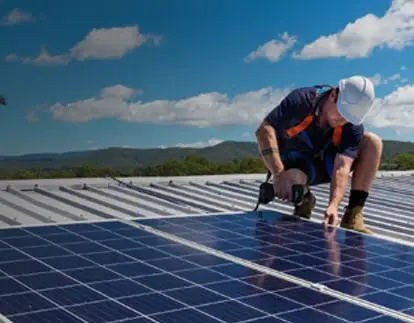
Solar Energy – Another clean source of energy, solar panels convert sunlight into electricity. You can make use of this for commercial or residential basis. Large solar farms are available. You can also have solar panels placed onto the rooftop of the home. Solar panels are extremely discreet and cost $0.12/kWh. Solar panels for domestic use won’t eliminate your electricity bills. However, the initial costs to install them will be covered.
Hydroelectric Power is an form of electrical energy where water flows through a generator to power the generator. This is the cheapest alternative energy source available, at an average of $0.03/kWh.
What is the reliability of renewable and alternative energy sources?
The reliability of renewable energy depends on how it’s generated the location it is generated in, as well as whether it can be stored. The power generated by wind, as an instance can be unpredictable. Wind power is not always reliable because it is impossible to predict. The solar energy industry is not the exception.
Renewable energy, however, is stored as lead in batteries. This storage technology is constantly improving.
Renewable energy can be utilized to improve the reliability of power grids and security through greater flexibility. Renewable energy has the ability to adapt to changes in energy consumption , and there are many renewable energy options. Since they can be utilized in a range of locations, renewable energy sources can be used to create the foundation for a more robust grid.
Technology and solutions are continuously changing, which means it’s very likely that the reliability of renewable energy sources will improve over the next few years.
Greener Future: Renewable Energy vs. Fossil Fuels
A study found that 77 percent of Americans believe it is more vital to find alternative energy sources within the United States rather than continue burning up the reserves of fossil fuels.
The market for renewable energy is expanding rapidly despite the rising demand and declining prices. Many utility providers are adopting measures to benefit of renewable energy, while still not entirely avoiding fossil fuels because of this shift.
While fossil fuels remain the most important energy source in the US and the world, the future is going to be solely dominated through renewable power.
The advantages and disadvantages of fossil fuels
Fossil fuels are one of the most important energy sources on Earth. They were developed decades before the dinosaurs roamed Earth. Many millions of years ago creatures and small plant life were living on the seas. The bodies of these creatures would sink down to seafloor, and their bodies would become covered in layers of rocks as well as sand and mud. The layers of rock, sand and mud would be exposed to high pressure for millions thousands of years. This would result in fossil fuels that we are so fond of.
Low decay rates can be the key in fossil fuels’ rich energy content. It was highly likely that the organic material, that was dug up millions of years ago would ever decay. This allowed their energy to be stored before being converted into fossil fuels.
They are plentiful and cheap, which means that they are able to supply enough energy for power plants across the globe. Fossil fuels are used in numerous household items, such as paints, detergents and medicines.
Many businesses and individuals use fossil fuels to heat or cook food, as well as to serve other purposes across the world. In the Middle East is home to the vast majority all of our fossil fuels. It is good for their economy, and also allows them to conduct business with other countries.
However fossil fuels aren’t the perfect fuels. Although they may be very valuable and useful, they could take many millions of years to create and aren’t able to be produced in laboratories.
As fossil fuels get burned, they release harmful greenhouse gas emissions. If power plants make use of fossil fuels in large quantities, they release large amounts of carbon dioxide or sulfur dioxide in the atmosphere. This greatly contributes to global climate change and places everyone at risk.
What are the advantages and Disadvantages of Each Renewable Resource?
Solar Energy
The most abundant and sustainable source of energy, solar energy, is readily available. It’s cheap and can be found nearly anywhere in the daytime. It is also able to heat and light homes, as well as generate electricity.
Solar energy comes with a disadvantage that it is only used for a limited time each day. Scientists are looking for ways to keep solar energy in a storage facility so that it can be used at the night.
Although there aren’t many solar powered devices that are able to power an entire society however, the number of solar-powered devices is increasing. Solar energy is set to become the main energy source in the world and provide power to millions of homes as well as power plants around the globe.
Wind Power
Like wind power and solar power one the fastest-growing energy sources is wind energy. It can be used to pump water, and also generate electricity to generate wind turbines. Wind power is not without its problems. It requires large areas of operation to generate large quantities. Windmills take up much space making it difficult to use the power of wind across the globe.
Biomass
Biomass can be described as the energy that energy produced from organic substances like plants and animals. These organic substances give off the energy of heat when they are burned. This energy can then be utilized to create fuels or heating. Modern kinds of biomass energy utilize methane gas, ethanol, and biodiesel to generate electricity used in electric power stations as well as for fueling automobiles.
The burning of wood to heat is the largest negative aspect of biomass energy. Burning millions of forests to heat generated by wood-fueled heating is a serious issue which puts human life at risk.
Geothermal power
Geothermal energy is derived from the heat that Earth emits. Earth emits. Geothermal energy can be found in hot springs and geysers. While they were initially used to heat homes or bathe in hot springs, the latest technology lets them produce electricity from the heat they release.
Hydroelectric Energy
Hydroelectricity is generated from the movement of water. Hydroelectric energy is among the most efficient and cost-effective methods of generating energy. It’s also a reliable energy source. It doesn’t require any fuel, which is a major advantage. Hydroelectric energy also emits the smallest quantity of greenhouse gases throughout its entire life cycle.
Hydroelectric energy may cause major land loss as well as water evaporation. Large reservoirs can also submerge large areas of productive and biologically rich lowland and result in irreparable damage. This could have a major impact on the lives of people living in those areas.
How do you choose clean energy today Alternative Energy and. Fossil Fuels
Inspire is much more than an energy provider that is clean. We are also leading in the direction of more sustainable energy and a healthier world. Inspire is a basic subscription service that provides unlimited clean energy. It also helps combat climate change by signing up for the Inspire plan.
Making the switch to renewable energy at your home will reduce your carbon footprint and boost the demand for green energy. This will increase the demand for clean energy which will push the government and power companies to invest more in renewable energy sources. In the end, you’re not risking anything and the world has everything for you.
