Solar Panels Insurance Coverage
Solar Panels Insurance Coverage
Solar panels are an eco-friendly option. But, panels that are solar (also known as photovoltaic systems or PV systems) can help you save money and increase the value of the home. Before you install the roof of your home with solar panels make sure your homeowners insurance covers them.
We’ll be covering the insurance requirements for your solar panels , as and the best choices for using your home’s renewable energy.
Solar panels
Solar panels are too costly to be practical as an energy source for common households for many years. A system for a residential home that costs $50,000 would have seemed unimaginable ten years ago. This is an expensive cost, especially for an investment that will take a long time to pay back.
As with all things, technology is improving and making it more affordable. The price of a house can vary depending on many variables. On average, homeowners could be paying between $15,000 to $25,000. While that’s still a high price, more and more people are buying into. In fact 40% of the new US electricity generation capacity was generated by solar energy in the first quarter 2020.
Photovoltaic systems, or simply “solar panels”, are a great way to reduce reliance on nonrenewable energy sources for both the environment-conscious and the financially savvy.
While they may save you money over the long-term, solar panels can also cost a lot upfront and are vulnerable to being damaged by weather or other environmental factors. It is vital that those who own solar panels are able to protect their investment.
How much do solar panels cost?
The cost for solar panels will vary according to the type of solar panel you pick and where you live. It’s important to shop around prior to making the purchase. The company [xfield estimates that solar panels{ will|| can} cost an average of $13,000 after applying tax credits to solar.
It’s important that you consider incentives when comparing the costs of solar panels. They can drastically cut your expenses. The federal government has recently expanded the credit for investment (ITC) to tax credit for energy efficiency. You can deduct 26% of the expense of installing solar energy systems from federal taxes beginning in 2020, and 22 percent in 2021. There is no limit to the credit’s value. For more information on tax, read our blog on tax and home insurance deductions.
Local and state governments offer financial incentives such as cashback exempts from property taxes and fees, rebates, and fee waivers. To determine which incentives you may be eligible for, look up your Database of State Incentives to Energy and Renewables. It is also possible to get loans if the price is too high or you don’t want a system.
What are the benefits of solar panels?
Solar panels provide many benefits. Solar panels not only help you save money in the long term however they also help reduce the carbon footprint of your home and allow you to earn solar credits from the government agencies.
Another benefit of buying solar panels can be the lessening of dependence on other sources of energy. You can avoid rising costs for utilities due to fluctuating oil, natural gas and coal prices through solar power. You could even sell additional energy to your utility provider in certain locations, which will allow you to make more money than the amount that you are conserving.
The primary benefit of solar panels is their capacity to boost the value at resales. Based on the U.S. Department of Energy Solar energy systems will increase the value of your home by about \$20 for every \$1 saved by utility savings. The expense of installing a solar system is typically offset by the rise in the value of your home. Solar-powered homes typically sell quicker, which will make it easier to save time and money when making your next move.
It is all dependent on the area you live in. How much and how long it takes for solar panels to pay for themselves in addition to how much money you will save. Electricity prices can be as affordable as just $8 cents/kWh (kWh) in some states. In others, it may be more expensive then 20 cents. If you live in an area in which electricity costs are high solar panels may prove more effective. This map can assist you in determining the average costs per unit of electricity.
Consider all the improvements you’ve done to your house, including solar panels when determining how much insurance you need. The amount of coverage you require should increase as the value of your home. Contact an agent from [xfield_company] for more information about how to protect your home’s improvements. We’re here to assist you.
Does homeowners insurance cover solar panels?
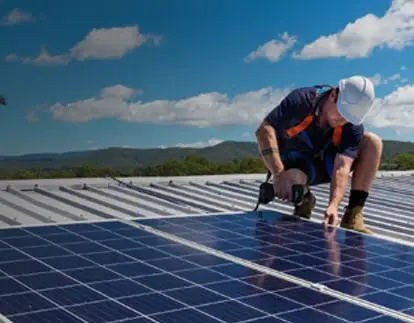
Most homeowners insurance companies consider rooftop-mounted solar panel permanent additions for your house. This means that the majority of homeowners policies will cover solar panels, and don’t require separate insurance for the panels. It is crucial to investigate the options prior to installing solar panels to ensure there are no gaps in your protection.
To find out the insurance coverage of your company for solar panels, contact them. You can ask your insurance provider about any exclusions or perils that are not covered. This will help you understand your current policy and determine the most appropriate method of proceeding.
There are other aspects to consider prior to installing solar panels. Before you make a big investment in the solar panel system you should consider other factors that are not insurance policies.
Homeowners Association (HOA) rules. The laws that apply to Texas restrict the limitations homeowners associations may impose upon solar installation. Your HOA can’t prohibit you from install solar panels. They can establish guidelines for the installation. To ensure you are clear about what is allowed discuss the matter with your HOA/POA prior moving forward on this project.
Local regulations and rules. While some solar panels are designed to power homes only, others may tie the system to the grid. This permits homeowners to feed surplus electricity back into the grid and earn credit for it. There are regulations that must be followed when making any modifications or improvements to a grid. Some cities, for instance they require an electrician to be licensed to install the equipment.
Do I need separate insurance for solar panels?
You might need to add on to your insurance or, in certain cases you may need a separate policy specifically that covers your solar system. You might require additional protection if your solar panel system is situated in your backyard and not placed on your roof. Carports for solar panels are another{ example of a|| instance of a} freestanding structure that could require a separate or rider policy. To determine the most effective option, it is a good idea to speak with your insurance broker.
What is the price of solar panel insurance?
Rooftop-mounted PV systems are usually considered permanent, so insurance for them is usually included in the home insurance. Your total coverage limit does not change. It is important to ensure that your coverage limit is enough to cover the cost of your home and the cost of a replacement solar system in the event of serious damages. Solar panel installation is costly, and you might need to include the cost of replacing it.
According to the Solar Energy Industries Association, the average cost of a solar panel for residential use is currently $18,000. Some systems can go up to $30,000 though. Even with these huge price reductions solar panels is still a substantial investment that can influence your insurance costs. It is possible to increase the coverage limits of your lower cost.
What do I need to cover for a lease solar system?
Another option is available for those looking to install solar panels but aren’t able to afford the money. Leasing options are available from numerous companies that allow users to buy a solar power system at a lower or no upfront cost. The system is not yours to own. This means that in many situations, you aren’t required to maintain or cover the solar energy system. The leasing company that manages the system is responsible for this obligation. Although leasing will aid in saving money on energybills, it won’t be as effective as having a solar power system.
Which states are the best for solar panel installations?
It’s no surprise that states with the highest sunlight are the best for solar energy. [region] [region], [region] and [region] are the three possible locations for solar power. Solar panels are becoming more common in all 50 [xfield_state-abbreviation]. Some of the top producers of solar energy are not expected states like [region] and.
It is important to note that each State has different laws in place for incentives and regulations regarding solar energy. So, the benefits may be different according to where you live.
Considerations for solar panel insurance
Solar panels are made to be installed in areas where they are the most exposed to weather elements. This makes it more likely that solar panels are damaged, especially if they are located in areas susceptible to severe weather. Solar energy systems need to be secured just like any expensive investment. It is possible to think about the possibility of a home insurance policy with lower costs if you are concerned about solar panel insurance’s possible cost.
[xfield_company] will help you locate the most suitable homeowners insurance. It compares rates of several top companies and helps you to narrow your search.
Contact [xfield_company] for more information about the details of your Solar Panels Insurance coverage
Going solar is one of the most beneficial choices you can make for the planet. If your homeowner’s insurance doesn’t cover solar panels, you may want to consider the possibility of adding protection.
[xfield_company] is able to assist with purchasing and installing solar panels. Our solar panel experts are certified and insured to make sure that the panels are installed correctly on your property.
